Panikos: Navigating the Magical Mistakes of Using This Fairy-Themed Display Font
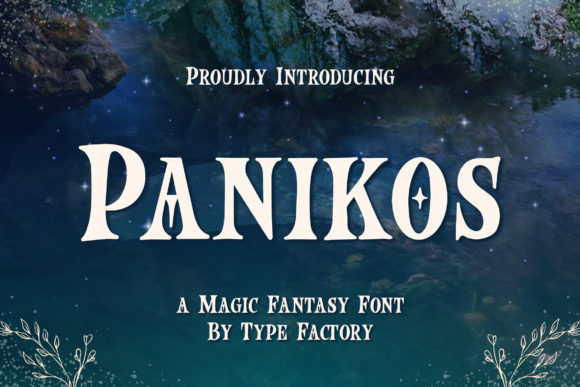
When you are designing for a Halloween party, a fantasy novel cover, or a spooky-themed social media campaign, typography is not just about readability; it is about atmosphere. You need a typeface that whispers secrets from the woods and screams with ancient magic simultaneously. Enter Panikos, a fantastic display font that immediately transports you to the dream world of the fairies. It is magical, a bit spooky, and undeniably charming. However, simply downloading a font that looks good in a preview window is rarely enough for professional results. Many creators overlook the technical nuances and practical applications of specialized display fonts like Panikos, leading to designs that feel amateurish or fail to load correctly across different platforms.
This guide aims to help you avoid common pitfalls when integrating Panikos into your projects. Whether you are a seasoned graphic designer, a small business owner creating your own marketing materials, or a hobbyist making party invitations, understanding the specific characteristics of this PUA-encoded font will save you time, money, and frustration.
Understanding the PUA Encoding Advantage
The most critical technical detail about Panikos is that it is PUA encoded. For those unfamiliar with typography jargon, PUA stands for Private Use Area. In standard Unicode encoding, every character has a fixed code point (like 'A' being U+0041). However, display fonts often include extra glyphs—swashes, alternate letters, ligatures, and decorative symbols—that do not have standard keyboard equivalents. Instead of relying on complex OpenType features that some older software might not support fully, Panikos places these special characters directly into the PUA slots of the font file.
Why does this matter? It means you can access all of the glyphs and swashes with ease. If you are using design software that struggles with advanced OpenType menus, Panikos allows you to manually select these beautiful extras by clicking them in the glyph panel or typing their specific PUA codes. This ensures consistency. You do not have to worry about a client’s computer lacking the specific font feature support required to render an alternated "g" or a decorative flourish. The character is baked into the letter itself.
The Trap of Assuming Standard Keyboard Input Works
A common mistake beginners make is trying to type out the fancy swashes as if they were regular letters. Because Panikos is PUA encoded, you cannot simply hit shift+A to get the ornate version of the letter A. You must navigate to the glyph panel. If you skip this step, you risk producing a design that looks incomplete. You might use the standard letterforms for the body text but leave the headline looking plain because you failed to engage the special glyphs. This creates a visual disconnect between the title and the rest of the design, undermining the "magical" aesthetic you are trying to achieve.
To avoid this, take ten minutes to explore the full glyph set before you start designing. Identify which swashes pair best with which letters. Create a cheat sheet or a simple document where you note down the PUA codes for your favorite decorations. This preparation turns a potentially confusing technical hurdle into a streamlined part of your creative workflow.
Contextual Application: Where Panikos Shines and Fails
Panikos is a display font. This classification is crucial. Display fonts are designed to be read at large sizes, typically for headlines, titles, logos, and posters. They are not intended for long paragraphs of body copy. The intricate details, the slight unevenness of the strokes, and the whimsical nature of the letterforms are meant to be admired, not deciphered line by line.
Many marketers and bloggers make the error of using Panikos for blog post introductions or product descriptions. The result is poor legibility. Readers’ eyes glaze over when they struggle to parse irregular shapes. This increases bounce rates and reduces engagement. The font’s strength lies in its ability to grab attention instantly, not to sustain reading over several pages.
Balancing Spookiness with Readability
Another oversight is failing to balance the font’s personality with your brand voice. Panikos is "a bit spooky." While this is perfect for Halloween, it might be too intense for a lighthearted children’s birthday party or a corporate team-building event. Before purchasing or committing to Panikos, ask yourself: Does the mood match the message?
If you are designing for a general audience, consider pairing Panikos with a clean, neutral sans-serif font for any necessary explanatory text. Let Panikos handle the emotional hook, and let a simpler font handle the information delivery. This contrast enhances both elements. The fairy-tale elegance of Panikos pops against a stark white background, while the neutral companion font ensures your call-to-action remains clear and actionable.
Licensing and Commercial Usage Misconceptions
One of the most costly mistakes involves licensing. Because Panikos has a distinct, artistic style, it may look like a free resource found on random blogs. However, many high-quality display fonts require commercial licenses for use in products you sell, such as t-shirts, mugs, or digital templates. Assuming a personal-use license covers commercial ventures can lead to legal issues and fines.
Always check the specific license agreement provided by the font creator. Look for terms regarding:
- Print runs: Are there limits on how many physical items you can produce?
- Digital goods: Can you embed the font in a PDF or eBook you sell?
- Resale: Can you use the font in templates sold on marketplaces like Etsy or Creative Market?
Investing in the correct license protects your business reputation and ensures you are supporting the designer who created this beautiful tool. It is far cheaper to buy a license than to deal with a cease-and-desist order after a successful campaign launch.
Evaluating Quality Before You Commit
Before downloading or buying Panikos, evaluate how it interacts with other design elements. Download the trial version if available. Create a mock-up of your actual project—not just a random sentence, but the real content you plan to use. Test it in black, white, and inverted colors. Check how it renders at different sizes. Does the fine detail get lost when scaled down for a mobile screen? Does the spacing (kerning) look balanced, or do certain pairs of letters collide awkwardly?
Panikos is crafted with care, but no font is perfect for every scenario. By testing rigorously, you ensure that the final output meets your quality standards. Pay attention to the negative space around the letters. The fairy theme relies on airiness and flow; if the kerning feels tight or cramped, the magical effect is lost.
Conclusion: Making the Right Choice
Panikos is more than just a font; it is a mood setter. It brings a sense of wonder and mystery to any design project. However, its success depends on your approach. By respecting its PUA encoding structure, using it strictly as a display element, verifying your licensing rights, and testing its performance in context, you can harness its full potential. Avoid the temptation to force it into roles it was not designed for, and always prioritize clarity alongside creativity. When used correctly, Panikos will not only meet your design needs but elevate your entire project into something truly enchanting.