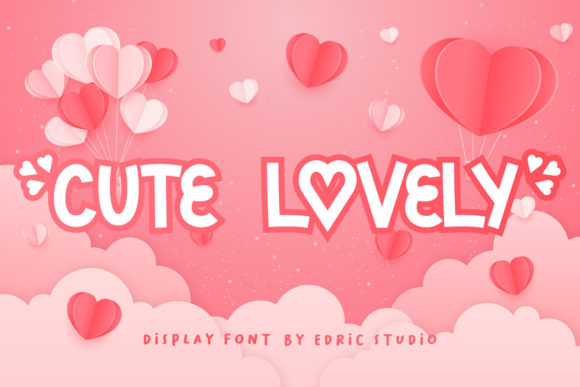
Cute Lovely: Why This Display Font Is a Smart Choice for Creative Projects
Selecting the right typeface is often the most overlooked step in design, yet it carries the weight of your entire visual message. When you need a font that exudes warmth, approachability, and charm without sacrificing readability, Cute Lovely emerges as a compelling option. Designed with love and crafted to bring a natural, romantic vibe to your work, this playful display font bridges the gap between whimsical aesthetics and professional clarity.
For creators ranging from freelance graphic designers to small business owners running Etsy shops, the demand for fonts that feel personal rather than corporate is higher than ever. However, choosing a "cute" font comes with specific pitfalls. Many users assume that decorative fonts are universally applicable or easy to pair, leading to cluttered designs and poor user experience. Understanding the nuances of Cute Lovely—its strengths, its limitations, and how to use it correctly—can transform your projects from amateurish to polished.
Understanding the Aesthetic and Utility of Cute Lovely
Cute Lovely is not just another generic script; it is a display font characterized by its rounded shapes and friendly curves. Its primary strength lies in its ability to convey impeccable friendliness while remaining easy-to-read. This balance is crucial. In a digital landscape saturated with stark sans-serifs and overly complex calligraphy, a font that feels inviting can significantly boost engagement.
The font’s natural look makes it particularly suitable for:
- Greeting Cards and Invitations: The romantic vibes align perfectly with weddings, baby showers, and birthday celebrations.
- Digital Marketing Assets: Blog headers, social media graphics, and email newsletters benefit from the approachable tone.
- Craft and DIY Projects: Whether you are labeling jars or creating printable art, the playful nature of the font adds personality.
- Presentations: For educators or entrepreneurs pitching creative ideas, Cute Lovely helps soften the delivery and connect emotionally with the audience.
However, describing it as "easy-to-read" requires context. Like all display fonts, its legibility shines at larger sizes or when used for short phrases. It is designed to catch the eye, not to fill pages of dense text. Recognizing this distinction is the first step toward using it effectively.
Common Mistakes When Using Decorative Fonts
Even experienced designers can fall into traps when incorporating fonts like Cute Lovely into their workflow. One of the most frequent errors is overuse. Because the font has such a strong personality, using it for body text or long paragraphs creates visual fatigue. Readers may struggle to parse the information, leading to a disconnect between your message and your audience.
Another common misunderstanding involves pairing. Beginners often attempt to match Cute Lovely with other decorative or script fonts, resulting in a chaotic hierarchy. When every element competes for attention, the design loses focus. Additionally, some users overlook the importance of contrast. Placing light-colored Cute Lovely text on a busy background renders the "natural look" invisible, defeating the purpose of the font entirely.
There is also the issue of licensing and technical setup. Not all cute fonts are free for commercial use. Assuming that a download link implies a commercial license can lead to legal issues. Furthermore, improper kerning or line spacing can distort the intended charm, making the letters look cramped or disjointed rather than lovely and flowing.
The Impact of Poor Font Choices on Project Quality
When these mistakes occur, the results are tangible. A poorly paired font can make a brand appear unprofessional or inconsistent. In marketing materials, low readability reduces conversion rates because potential customers cannot quickly grasp the offer. In educational contexts, if students cannot read the headings clearly, the learning material becomes less effective. Ultimately, the wrong application of a font undermines the communication goal, costing time in revisions and potentially damaging credibility.
Best Practices for Integrating Cute Lovely
To avoid these pitfalls, adopt a strategic approach to typography. Treat Cute Lovely as an accent, not a foundation. Use it for headlines, titles, quotes, or key phrases where you want to inject emotion and style. Pair it with clean, neutral sans-serif or serif fonts for body copy. This combination allows the cute aesthetic to shine without compromising readability.
Consider the following practical tips for implementation:
- Maintain Hierarchy: Use Cute Lovely for main headings only. Ensure there is a clear size difference between your headline and supporting text.
- Check Contrast Ratios: Ensure sufficient color contrast between the font and its background. Darker shades of the font work best on light backgrounds, and vice versa.
- Control Spacing: Adjust letter-spacing (tracking) slightly if needed. While the font is designed to be friendly, tight spacing can make it look messy. Generous white space enhances the "lovely" feel.
- Limited Usage: Restrict the use of the font to 10-15% of your total text volume. Let other elements breathe.
Evaluating Compatibility Across Platforms
Before finalizing your design, test how Cute Lovely renders across different devices and software. Web browsers may substitute fonts if they are not embedded correctly, while print files require high-resolution outlines. If you are using this font for digital products, ensure you have the correct file formats (such as OTF or TTF) and verify the license terms for commercial usage. Some licenses restrict the number of impressions or require attribution, which can affect your project planning.
Why Cute Lovely Stands Out in a Crowded Market
In a sea of similar decorative fonts, Cute Lovely distinguishes itself through its consistent character and balanced proportions. It avoids the extreme thinness of many scripts, which often break down at small sizes. Instead, it offers robust forms that hold up well in various applications. This reliability makes it a valuable asset for freelancers who need versatile tools for diverse client needs.
Moreover, the emotional resonance of the font cannot be overstated. In an era where authenticity matters, a font that feels handmade and lovingly crafted can help brands stand out. It signals care and attention to detail, qualities that resonate deeply with consumers looking for human connection in their digital interactions.
Final Thoughts on Making the Right Choice
Choosing Cute Lovely is about more than just picking a pretty typeface; it is about understanding how typography influences perception. By avoiding common mistakes like overuse and poor pairing, and by focusing on clarity and contrast, you can leverage the full potential of this font. Whether you are designing a wedding invitation, a blog header, or a product label, Cute Lovely offers a charming solution that balances style with substance.
Take the time to experiment with different pairings and layouts. Test your designs in real-world scenarios before publishing. With thoughtful application, Cute Lovely can become your go-to font for adding a touch of warmth and elegance to any project. Remember, good design is not just about what looks good, but what works well—and Cute Lovely, when used wisely, does both beautifully.