Evaluating Manuscribe: A Strategic Analysis of Wavy Display Typography for Modern Design Projects
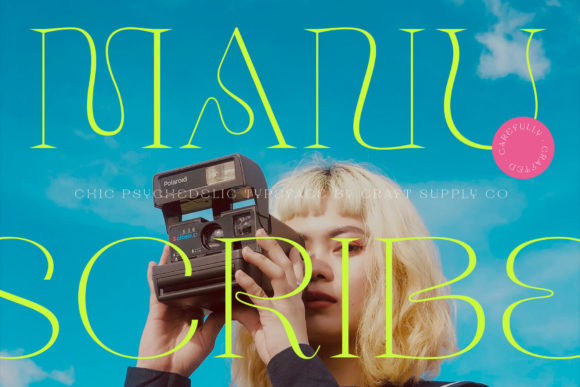
Selecting the right typeface is rarely a binary decision. It involves weighing aesthetic intent against functional requirements, audience expectations, and technical constraints. When designers encounter Manuscribe, they are presented with a specific typographic personality that demands careful consideration. Classified as a wavy and delicate display font, Manuscribe offers a distinct visual voice—one that leans heavily into organic, hand-crafted sensibilities while maintaining a refined elegance. This analysis explores where Manuscribe fits within the broader landscape of design resources, how it compares to alternative stylistic approaches, and the practical scenarios in which it serves as an invaluable asset versus those where it may hinder communication.
The Distinctive Character of Manuscribe
To understand why Manuscribe might be included in a font library, one must first dissect its structural identity. Unlike geometric sans-serifs or rigid slab serifs, Manuscribe relies on fluidity. The term "wavy" suggests a departure from straight lines, introducing subtle curves and undulations that mimic natural movement. This is not the chaotic energy of a brush script; rather, it is controlled and deliberate. The "delicate" descriptor points to thin stroke weights and fine details, which create a sense of lightness and sophistication.
This combination creates a typeface that feels personal yet polished. In a digital environment saturated with bold, high-contrast headlines designed to shout for attention, Manuscribe whispers. It invites the reader in rather than commanding them. For creators looking to add a layer of nuance to their work, this font provides a texture that standard fonts often lack. Its potential to elevate any creation stems from its ability to introduce warmth and humanity into designs that might otherwise feel sterile or corporate.
Comparative Analysis: Style Categories and Alternatives
When evaluating Manuscribe, it is helpful to place it in context with other common display categories. Designers often face a choice between three primary approaches for adding character to headers: structured scripts, organic hand-drawn styles, and elegant serifs. Understanding these distinctions clarifies when Manuscribe is the superior choice.
- Structured Scripts: Fonts like Zapfino or traditional calligraphy scripts offer legibility through strict rules. They are formal and often used in invitations. Manuscribe differs by being less rigid. While a structured script can feel dated or overly ceremonial, Manuscribe’s wavy nature feels more contemporary and relaxed, making it suitable for modern brands that want elegance without formality.
- Organic Hand-Drawn Styles: Many "handwritten" fonts attempt to replicate the imperfections of human writing. Some succeed in creating authenticity, while others risk appearing messy or unprofessional. Manuscribe strikes a balance here. It retains the charm of hand-lettering but maintains enough consistency and refinement to be used in professional contexts. It avoids the "messy" trap by keeping its delicate lines clean and intentional.
- Elegant Serifs: High-contrast serif fonts (like Didot or Bodoni) convey luxury and authority. However, they can sometimes feel cold or exclusive. Manuscribe offers a similar level of sophistication but achieves it through playfulness and softness rather than stark contrast. If a brand wants to appear approachable yet upscale, Manuscribe bridges the gap that rigid serifs cannot.
The tradeoff in choosing Manuscribe over these alternatives is legibility at small sizes. Because it is a display font with delicate strokes, it is not designed for body text. Readers comparing options should note that Manuscribe excels in large-scale applications where its unique curves can be appreciated. In contrast, a robust sans-serif might be a safer bet for dense information hierarchies. The decision hinges on whether the priority is immediate readability or atmospheric impact.
Practical Applications and Best-Fit Scenarios
Manuscribe shines in contexts where mood and emotion take precedence over data transmission. Its wavy, delicate nature makes it particularly effective in industries associated with care, creativity, and lifestyle. Consider the following use cases:
- Branding for Wellness and Beauty: Brands in skincare, yoga studios, or boutique spas often seek to communicate tranquility and gentleness. Manuscribe’s fluid lines visually reinforce these values. A logo using Manuscribe suggests a product that is gentle on the skin or mind, aligning typography with brand promise.
- Editorial and Magazine Layouts: In fashion or lifestyle magazines, pull quotes and section headers benefit from a touch of whimsy. Manuscribe can serve as an accent font to break up heavy blocks of text, adding visual interest without disrupting the reading flow. Its delicacy ensures it does not overpower the photography or the main headline.
- Packaging Design: For artisanal products such as candles, teas, or handmade jewelry, packaging needs to stand out on crowded shelves. Manuscribe offers a premium look that suggests craftsmanship. The wavy elements can subtly echo natural forms, reinforcing themes of organic ingredients or handcrafted quality.
In these scenarios, Manuscribe acts as a force multiplier. It takes a simple concept—a candle, a spa treatment—and elevates it through typographic nuance. The font becomes part of the storytelling, signaling to the consumer that the product inside is curated and thoughtful.
Limitations and Decision Factors
No single typeface is universally applicable, and Manuscribe is no exception. Recognizing its limitations is crucial for making an informed decision. The most significant constraint is its scalability. Due to its delicate stroke weight, Manuscribe can become difficult to read if scaled down too far or printed on low-resolution media. Thin lines may disappear entirely in small print or blurry digital displays. Therefore, it requires high-quality production standards and ample negative space around it to breathe.
Another consideration is tonal appropriateness. Because Manuscribe is inherently feminine, soft, and artistic, it may clash with brands seeking to project strength, stability, or industrial reliability. A construction company, a cybersecurity firm, or a financial institution would likely find Manuscribe incongruent with their core message. In these cases, a heavier, more grounded typeface would better support the brand’s authority. Using Manuscribe in such contexts could undermine credibility by suggesting fragility instead of resilience.
Furthermore, pairing Manuscribe with complementary fonts requires skill. Its complex, wavy structure means it does not pair easily with other decorative fonts. Mixing it with another script or highly stylized typeface often results in visual chaos. The best practice is to pair Manuscribe with neutral, simple sans-serifs or clean serifs. This contrast allows Manuscribe to remain the focal point while the secondary font handles informational clarity. Designers must resist the urge to over-decorate; let Manuscribe do the talking.
Strategic Integration into Your Font Library
For designers building a comprehensive toolkit, including Manuscribe adds a versatile layer of expressiveness. It fills a niche that many standard libraries overlook: the intersection of elegance and organic flow. While you may have dozens of sans-serifs and serif fonts available, few capture the specific "wavy delicacy" that Manuscribe offers. This uniqueness makes it an incredible asset, particularly for projects that require a custom feel without the cost of commissioning bespoke lettering.
However, integration should be strategic. Rather than treating Manuscribe as a default header font, view it as a specialized tool. Use it sparingly to highlight key moments in a design—such as a tagline, a chapter title, or a special offer. This restraint preserves its impact. Overuse dilutes its effectiveness, turning a sophisticated accent into background noise. By reserving Manuscribe for moments that require emotional resonance, you ensure that every instance of the font carries weight and intention.
Ultimately, the value of Manuscribe lies in its ability to soften and humanize. In a digital world that often feels transactional, a wavy, delicate font reminds us of the human hand behind the design. It encourages slower reading and deeper engagement. Whether you are crafting a brand identity, designing a wedding invitation, or laying out a digital campaign, Manuscribe offers a refined path to differentiation. It is not just a font; it is a stylistic choice that prioritizes grace and subtlety. For those willing to respect its limitations and leverage its strengths, Manuscribe will undoubtedly elevate your creative output, proving that sometimes, the most powerful messages are delivered with the gentlest touch.