Valrie: Elevating Design with Modern Elegance
In a digital landscape saturated with generic sans-serifs and overly ornate script fonts, finding a typeface that strikes the perfect balance between modernity and sophistication can feel like searching for a needle in a haystack. Enter Valrie, a fresh, modern display font designed to bring a touch of refined elegance to any visual project. With its thin-lettered structure and natural style, Valrie isn't just another font; it is a strategic design tool that enhances readability while commanding attention. For professionals, creators, and entrepreneurs looking to elevate their brand identity, understanding the specific utility of a font like Valrie is essential for creating content that resonates.
Understanding the Aesthetic Appeal of Valrie
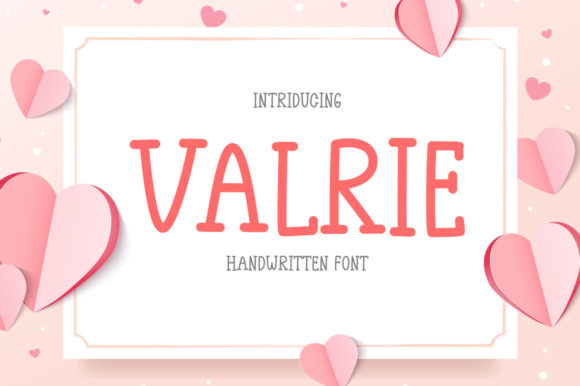
Typography is often described as the voice of your design. It speaks before the user even reads the words. Valrie’s aesthetic is defined by its sleek, thin strokes and clean lines, which give it an airy, lightweight feel. This characteristic makes it particularly effective in contexts where space is at a premium or where a sense of luxury and minimalism is desired. Unlike heavier display fonts that demand immediate, aggressive attention, Valrie invites the viewer in. Its elegant and natural style ensures that each creation looks gorgeous on every level, from high-resolution print materials to small mobile screens.
The "thin-lettered" aspect of Valrie requires careful consideration in implementation. While these fine lines contribute to its sophisticated look, they also necessitate proper scaling and contrast management. When used correctly, the negative space within the letters creates a rhythm that guides the eye smoothly across the text. This natural flow reduces cognitive load, allowing the audience to process information more efficiently. For designers, this means that Valrie can be used not only for headlines but also for pull quotes or key messaging elements that need to stand out without shouting.
Key Characteristics That Define Valrie
- Modern Minimalism: The font strips away unnecessary serifs and decorative elements, focusing on pure form and function.
- Versatile Weight: Despite being a thin lettered font, its proportions are balanced to maintain legibility at various sizes.
- Natural Flow: The curves and angles mimic natural handwriting nuances, adding a human touch to digital designs.
- High Impact: As a display font, it is engineered to capture interest quickly, making it ideal for titles and headers.
Practical Applications Across Industries
The versatility of Valrie extends far beyond simple graphic design tasks. Its ability to adapt to different environments makes it a valuable asset for a wide range of users, including marketers, educators, bloggers, and business owners. By integrating Valrie into your creative workflow, you can notice how it makes your projects stand out in crowded feeds and physical spaces alike.
Branding and Identity Design
For startups and established businesses alike, brand consistency is crucial. Valrie serves as an excellent choice for logo design, especially for brands in the lifestyle, fashion, wellness, and tech sectors. Its thin lines convey precision and innovation, qualities that are highly valued in modern commerce. When paired with a bold sans-serif for body copy, Valrie provides a striking contrast that reinforces brand hierarchy. Imagine a boutique coffee shop menu or a luxury skincare packaging design; Valrie adds an layer of perceived value and exclusivity that heavier fonts might obscure.
Digital Content and Web Design
In the realm of web design, first impressions are formed in milliseconds. Using Valrie for hero sections, article headings, or call-to-action buttons can significantly enhance user engagement. Its elegant style aligns well with contemporary web trends that favor whitespace and clean layouts. However, it is important to remember that Valrie is a display font, meaning it should primarily be used for short bursts of text rather than long paragraphs. Pairing it with a highly readable serif or sans-serif for body text ensures that your website remains accessible and easy to navigate.
Educational Materials and Publishing
Educators and publishers often struggle to make learning materials engaging without sacrificing professionalism. Valrie can be utilized in course covers, presentation slides, and infographic headers to inject a sense of modernity and clarity. For bloggers and content creators, using Valrie for featured images or section dividers can break up text blocks effectively, improving the overall reading experience. The font’s natural style helps to humanize educational content, making complex topics feel more approachable.
Strategic Benefits of Using Valrie
Choosing the right typography is not merely an aesthetic decision; it is a functional one that impacts usability, efficiency, and communication. Valrie offers several practical benefits that extend beyond its visual appeal.
- Enhanced Brand Recognition: Consistent use of a distinctive font like Valrie helps build a unique visual identity. Over time, users begin to associate the font’s style with your brand, increasing recall and trust.
- Improved Visual Hierarchy: The distinct thinness of Valrie allows it to serve as a clear indicator of importance. When used for headlines, it immediately signals to the reader what is most significant on the page.
- Increased Engagement: Designs that are visually pleasing tend to retain user attention longer. Valrie’s elegant style contributes to a positive user experience, encouraging visitors to spend more time interacting with your content.
- Professional Polish: Even amateur designs can look professional when paired with high-quality typography. Valrie instantly elevates the production value of flyers, social media posts, and email newsletters.
Best Practices for Implementation
To get the most out of Valrie, it is essential to follow certain best practices. Since it is a thin-lettered font, legibility can become an issue if the contrast between the text and background is too low. Always ensure sufficient color contrast, particularly when using white or light-colored Valrie on busy backgrounds. Additionally, pay attention to tracking (letter spacing). Slightly increased tracking can enhance the airy feel of the font, making it even more readable and elegant.
Furthermore, consider the context of your medium. On large-format prints, such as billboards or banners, Valrie’s thin lines may lose detail if viewed from a distance. In such cases, it is better suited for intermediate distances, like magazine spreads or website hero images. For smaller screens, test the font at different resolutions to ensure it renders crisply. Remember, the goal is to add Valrie to each of your creative ideas strategically, not ubiquitously. Use it where it adds value, and let other typefaces handle the heavy lifting of detailed information.
Pairing Valrie with Complementary Fonts
One of the most common questions designers face is how to pair display fonts with body text. Valrie pairs exceptionally well with neutral, geometric sans-serifs like Helvetica Now or Montserrat. These combinations create a harmonious balance between style and substance. Alternatively, pairing Valrie with a classic serif like Garamond or Playfair Display can create a timeless, editorial look that works beautifully for long-form content and literary projects.
Ultimately, Valrie is more than just a font; it is a statement of intent. It tells your audience that you care about details, that you value elegance, and that you are committed to quality. Whether you are a freelancer designing a portfolio, a marketer crafting a campaign, or an educator preparing a lecture, incorporating Valrie into your toolkit can make a tangible difference in how your work is perceived. Take the time to experiment with it, observe its impact on your audience, and discover new ways to make your creations stand out in a competitive world.