Chatterbox: Elevating Visual Communication with a Playful 3D Twist
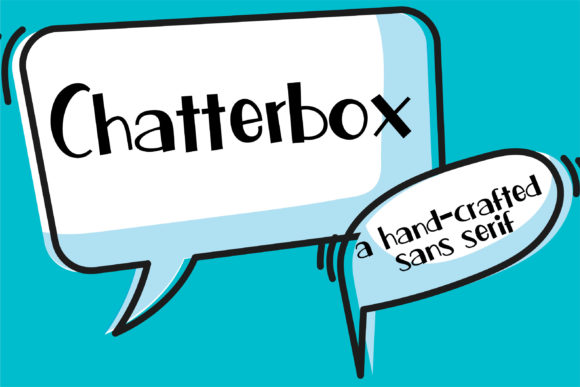
In the crowded landscape of digital and print media, capturing attention within the first few seconds is no longer optional; it is a necessity. Designers and creators are constantly searching for ways to break through the noise, offering visuals that not only inform but also evoke an immediate emotional response. This is where Chatterbox enters the conversation as a distinctive solution. It is not merely a typeface; it is a cool duo styled display font that brings a classic yet three-dimensional flair to any project. By blending nostalgic aesthetics with modern depth, Chatterbox offers a unique opportunity to infuse joy and personality into designs ranging from children's games to high-end brand identities.
The versatility of this font lies in its ability to balance structure with whimsy. Unlike standard sans-serif or serif fonts that prioritize neutrality, Chatterbox commands the stage. Its 3D characteristics provide a tactile quality that flat fonts often lack, making text appear as if it is popping off the page. Whether you are a professional graphic designer looking for a signature element, an educator creating engaging classroom materials, or a business owner crafting a memorable logo, understanding how to leverage this tool can transform a static layout into a dynamic experience.
The Anatomy of Joy: What Makes Chatterbox Unique
To appreciate the utility of Chatterbox, one must first understand its visual DNA. The font is defined by its "cool duo" styling, which suggests a pairing of characters or letters that interact with each other in a lively manner. This interaction creates a sense of movement and dialogue, even when the text is static. The classic influence ensures that the letterforms remain legible and grounded, preventing the design from becoming too chaotic or difficult to read. However, it is the 3D rendering that truly sets it apart.
This three-dimensional effect is achieved through careful shading and perspective, giving the letters weight and volume. In a world dominated by flat design trends like Material Design or Apple's Human Interface Guidelines, a font that reintroduces depth can be strikingly effective. It breaks the monotony of two-dimensional screens and invites the viewer to look closer. The result is a typography that feels tangible, almost like a toy or a physical object rather than just ink on paper or pixels on a screen.
- Duo Styling: Letters are designed to complement each other, creating a rhythmic flow that guides the eye naturally across the line.
- Classic Roots: The underlying structure relies on traditional proportions, ensuring timelessness rather than fleeting trendiness.
- 3D Depth: Strategic highlights and shadows create a volumetric appearance that adds drama and focus.
- Joyful Tone: The overall aesthetic is inherently positive, making it ideal for content that aims to entertain or uplift.
Practical Applications Across Industries
The true power of Chatterbox is revealed when we examine its application across various sectors. Because it bridges the gap between fun and professionalism, it is suitable for a wide array of use cases. Let us explore how different professionals can integrate this font into their workflows to achieve specific goals.
Entertainment and Gaming
In the realm of cartoon-related designs and children's games, the font acts as a primary character. Imagine a mobile game interface where buttons and scoreboards utilize Chatterbox. The 3D effect makes the UI elements feel interactive and clickable, enhancing the user experience. For book covers targeting young readers, the title set in this font immediately signals adventure and fun. It tells the potential reader that the story inside is vibrant and full of life. Similarly, for posters advertising family events or animated series, the font ensures the message stands out in a sea of generic promotional material.
Branding and Identity
While one might assume a playful font is limited to casual contexts, Chatterbox proves otherwise for brands aiming to stand out. When used for brand names or logos, it conveys approachability and creativity. A tech startup focusing on educational software might choose this font to signal that their product is innovative yet accessible. A bakery or a toy store could use it to create a warm, welcoming atmosphere. The key is moderation; using Chatterbox for the logo while keeping body text in a neutral font allows the brand identity to shine without compromising readability.
Educational and Research Materials
For educators and researchers, the challenge is often making complex information digestible. Incorporating Chatterbox into presentations, worksheets, or infographics can help capture the attention of students or participants. Titles and headings set in this font can highlight key concepts, breaking up dense blocks of text. It serves as a visual cue that the following section is important or perhaps lighter in tone. This strategic use of typography aids in cognitive processing, helping learners distinguish between core data and supplementary notes.
Designing with Emotion: The Psychology of Typography
Typography is rarely just about communication; it is about emotion. The choice of font influences how a message is perceived before a single word is read. Chatterbox is engineered to trigger feelings of happiness, curiosity, and nostalgia. The "classic" aspect taps into a sense of reliability and tradition, while the "3D" and "duo" elements inject energy and playfulness. This duality allows designers to craft narratives that are both trustworthy and exciting.
When creating quotes or social media graphics, the right font can amplify the sentiment of the words. A motivational quote presented in a stark, cold font might feel demanding, whereas the same quote in Chatterbox feels encouraging and supportive. This emotional resonance is crucial for content creators who rely on engagement. By selecting a font that aligns with the desired mood, the creator ensures that the audience connects with the content on a deeper level.
Furthermore, the 3D nature of the font adds a layer of sophistication. It suggests effort and care in the design process. In a digital environment where users scroll past content rapidly, a piece of design that looks handcrafted and dimensional has a higher chance of stopping the scroll. It implies that the content behind the text is equally well-crafted and valuable.
Implementation Strategies for Maximum Impact
Integrating Chatterbox into a project requires more than just inserting the text. To achieve the best results, creators should consider specific implementation strategies that respect the font's unique characteristics.
- Contrast is Key: Because Chatterbox is visually heavy due to its 3D effects, it pairs best with simple, clean backgrounds. Avoid busy patterns or complex images behind the text, as they can compete with the font's depth. A solid color or a subtle gradient works wonders to let the letters pop.
- Strategic Hierarchy: Do not overuse the font. Reserve Chatterbox for headlines, titles, and key phrases. Using it for long paragraphs of body text can lead to visual fatigue and reduce readability. Treat it as a spotlight rather than the main source of illumination.
- Color Pairing: The 3D effect relies on light and shadow. Ensure that the colors chosen provide enough contrast to maintain the illusion of depth. Vibrant colors enhance the playful nature, while monochromatic schemes can offer a sleek, modern take on the classic style.
- Contextual Relevance: Always ask if the font fits the context. If you are designing a legal document or a medical report, Chatterbox may undermine the seriousness of the content. However, for newsletters, blogs, or marketing campaigns, it is an excellent tool for adding personality.
Navigating Trends and Timelessness
Design trends are cyclical. What was popular ten years ago may seem dated today, yet certain principles endure. Chatterbox sits at an interesting intersection of these cycles. While 3D typography has seen waves of popularity, the "classic" foundation of this font ensures it does not feel overly trendy or ephemeral. It draws inspiration from vintage signage and retro cartoons, styles that have consistently remained beloved across generations.
For businesses and creators looking to build a long-term visual identity, choosing a font with historical roots provides stability. You do not need to overhaul your entire brand every time a new design trend emerges. Instead, you can rely on a versatile tool like Chatterbox to add fresh, seasonal touches to your campaigns while maintaining a consistent core identity. This balance between novelty and consistency is essential for building brand recognition.
Moreover, as the digital space becomes increasingly saturated with AI-generated content and standardized templates, human-centric design elements become more valuable. Fonts that exhibit quirks, charm, and distinct personality, such as the duo styling of Chatterbox, serve as a reminder of human creativity. They break the uniformity of algorithmic design, offering a touch of individuality that resonates with audiences seeking authentic connections.
Conclusion: A Tool for Creative Expression
Ultimately, the decision to use Chatterbox depends on the vision of the creator and the needs of the audience. It is a font that demands attention but rewards those who use it with finesse. By combining classic elegance with a playful 3D twist, it opens doors to creative possibilities that standard typefaces cannot match. Whether you are designing a poster for a local event, a cover for a children's book, or a logo for a new venture, Chatterbox provides the perfect blend of joy and structure.
As you embark on your next design project, consider the role typography plays in your narrative. Don't settle for the ordinary when you can bring a touch of dimension and delight to your work. With its unique ability to bridge the gap between entertainment and professionalism, Chatterbox stands ready to elevate your creations, ensuring they are not just seen, but felt and remembered.