The Cute: A Playful Typography Choice for Creative Projects
In the vast landscape of digital typography, where sleek sans-serifs and authoritative serifs often dominate professional design, there exists a niche for typefaces that prioritize personality over formality. The Cute is one such font—a display typeface designed to evoke warmth, friendliness, and fun. While it may not be the first choice for a corporate annual report or a legal contract, its potential as a go-to font for specific creative endeavors is significant. Whether you are a craft enthusiast, a digital content creator, or a small business owner looking to add a touch of charm to your brand identity, understanding the nuances of The Cute can help you make informed design decisions.
Understanding the Essence of The Cute
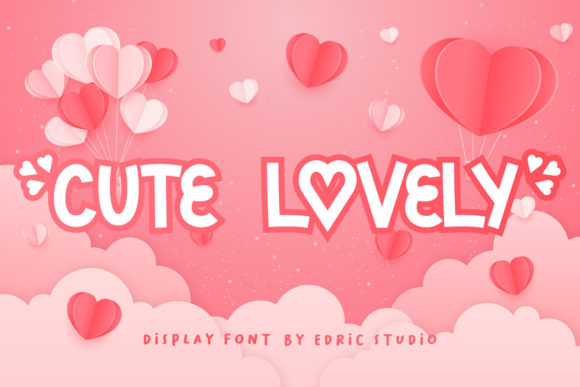
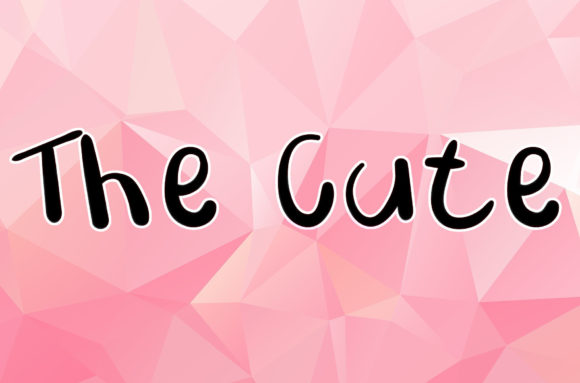
At its core, The Cute is not just a collection of letters; it is a visual expression of approachability. The characters are typically rounded, soft, and inviting, lacking the sharp edges or rigid structures found in more traditional typefaces. This design philosophy makes it particularly effective in contexts where the goal is to connect with an audience on an emotional level rather than a purely informational one. The font’s inherent playfulness allows it to stand out in crowded digital feeds or physical spaces, drawing the eye with its whimsical aesthetic.
For designers and hobbyists alike, the appeal lies in its versatility within its specific lane. It does not attempt to be everything to everyone. Instead, it excels in scenarios requiring a lighthearted tone. When used correctly, The Cute can transform a mundane message into something memorable and engaging. It serves as a tool for tone setting, ensuring that the viewer perceives the content as friendly and accessible before they even read the words.
Key Characteristics and Design Features
To appreciate The Cute fully, it is helpful to break down its structural elements. The font features:
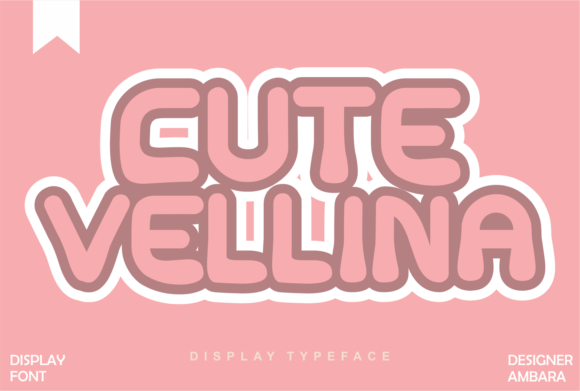
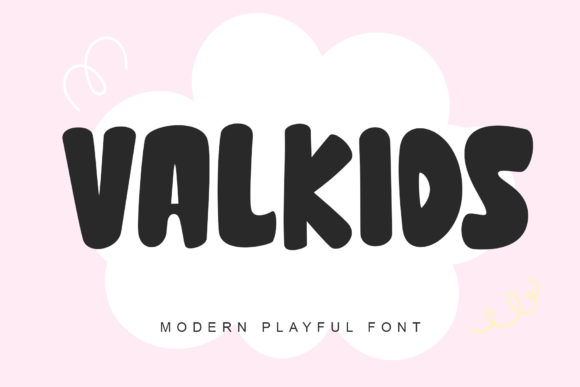
- Rounded Geometry: Most strokes end in curves rather than points, creating a sense of softness and safety.
- Irregular Baselines: In many variations, the letters may sit slightly off-axis or bounce, adding a dynamic, hand-drawn feel that feels organic rather than machine-generated.
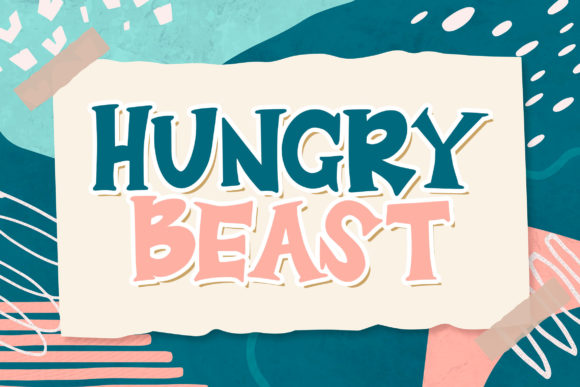
- Bold Presence: As a display font, it is designed to be read at larger sizes. The weight of the characters ensures visibility without requiring excessive scaling.
- Limited Weight Options: Like many decorative fonts, The Cute often comes in a single weight. This limitation actually helps maintain consistency in design projects, preventing the accidental mixing of styles that can lead to visual clutter.
These characteristics contribute to a cohesive look that is instantly recognizable. However, they also dictate how the font should be used. Because of its bold and distinctive nature, it is rarely suitable for long-form body text. Instead, it shines in headlines, labels, and short phrases where its character can be appreciated without causing reader fatigue.
Practical Applications Across Different Fields
The utility of The Cute extends across various domains, from personal hobbies to commercial branding. Its adaptability makes it a valuable asset for anyone looking to inject personality into their work. Below are some common scenarios where this font proves particularly useful.
Crafts and Handmade Goods
For makers and artisans, The Cute is a natural fit. If you sell handmade jewelry, knitted items, or custom candles, using this font on product tags, packaging, or social media graphics can reinforce the artisanal and heartfelt nature of your products. The font’s human-centric design mirrors the effort put into handmade goods, creating a harmonious link between the product and its presentation. Imagine a label on a jar of homemade jam with "Sweet & Simple" written in The Cute—it immediately suggests quality and care.
Digital Content and Social Media
In the fast-paced world of social media, grabbing attention is crucial. The Cute performs exceptionally well in Instagram stories, Pinterest pins, and YouTube thumbnails. Its bright and playful appearance cuts through the visual noise of standard feeds. Content creators focusing on lifestyle, parenting, food, or pet-related topics often find success using this font to highlight quotes, recipe titles, or event announcements. It adds a layer of visual interest that encourages users to stop scrolling and engage with the content.
Educational Materials and Children’s Products
When designing materials for children, readability and engagement are paramount. The Cute’s friendly demeanor makes it ideal for educational worksheets, classroom decorations, or book covers aimed at young readers. It helps create a non-intimidating environment, signaling to children that the material is approachable and fun. Teachers and parents will appreciate how the font supports learning by making text feel less like a chore and more like an invitation.
Evaluating Suitability for Your Project
While The Cute offers many benefits, it is essential to evaluate whether it aligns with your specific project goals. Not every design requires a playful tone, and misusing this font can undermine your message. Consider the following factors before incorporating The Cute into your workflow.
- Audience Expectations: Who are you trying to reach? If your audience consists of young families, students, or creative professionals, The Cute is likely to resonate well. However, if you are targeting a corporate executive team or a legal firm, the font may appear unprofessional or frivolous.
- Brand Voice: Does your brand embody warmth and creativity? For brands focused on minimalism, luxury, or seriousness, The Cute might clash with established visual identities. It works best for brands that want to communicate joy, simplicity, or nostalgia.
- Context of Use: Where will the font appear? Short bursts of text in headers or banners are perfect. Using it for lengthy paragraphs or fine print will hinder readability and frustrate users. Always pair The Cute with a neutral, highly legible sans-serif for body text if you need to include longer descriptions.
By carefully considering these aspects, you can ensure that The Cute enhances your design rather than detracting from it. It is a tool for emphasis and mood-setting, not a replacement for functional typography.
Strengths and Limitations
Every typeface has its strengths and weaknesses. Understanding these helps in managing expectations. The primary strength of The Cute is its ability to convey emotion quickly. It saves time in design by establishing a tone without the need for additional graphical elements. Furthermore, its distinctiveness helps in building brand recall. When used consistently, it becomes a recognizable part of your visual language.
However, limitations exist. The font is not versatile enough for all communication needs. It lacks the subtlety required for nuanced messaging. Additionally, because it is a display font, it may not have the extensive character set needed for languages other than English or for specialized symbols. Users should check the available glyphs before committing to it for international projects. Another consideration is accessibility; while readable in large sizes, the stylized nature of the letters can sometimes challenge those with certain visual impairments when used in small formats.
Best Practices for Implementation
To get the most out of The Cute, follow these practical tips for integration into your designs:
- Pairing Strategies: Combine The Cute with clean, simple fonts. A geometric sans-serif or a classic serif can provide a balanced contrast, grounding the playful headline with stable body text.
- White Space Usage: Give the letters room to breathe. Avoid crowding The Cute with too many other elements. Generous spacing highlights its unique shapes and prevents visual chaos.
- Color Coordination: The font’s personality is amplified by color. Soft pastels, vibrant primaries, or warm earth tones can complement the font’s friendly vibe. Avoid harsh, high-contrast combinations that might make the text difficult to read.
- Consistency: Use The Cute sparingly but consistently. Overusing it dilutes its impact. Reserve it for key messages, titles, and calls to action to maintain its special status in your design system.
In conclusion, The Cute is more than just a decorative font; it is a strategic choice for designers and creators who value connection and joy in their work. By understanding its characteristics, applications, and limitations, you can leverage its power to enhance your projects. Whether you are crafting a personalized greeting card, designing a blog header, or branding a new startup, The Cute offers a delightful way to say hello to your audience. Embrace its playfulness, respect its boundaries, and watch as it brings a unique spark to your creative endeavors.