The Art of Typography: Why Wise is the Versatile Choice for Modern Designers
In the crowded landscape of digital and print media, the choice of typeface often dictates the success of a visual project. While content provides the information, typography delivers the emotion, sets the tone, and guides the reader through the narrative. Among the myriad of options available to creators today, Wise has emerged as a distinctive solution that balances aesthetic appeal with functional adaptability. It is not merely a font; it is a tool designed to elevate projects ranging from intricate crafting layouts to high-stakes business presentations.
The design community frequently seeks a typeface that can bridge the gap between professional rigor and creative flair. This is where the unique characteristics of Wise come into play. Described as a cool, neat, and adaptable display font, it offers a versatility that few others possess. Whether you are an educator creating engaging classroom materials, a small business owner designing marketing collateral, or a hobbyist crafting personalized greeting cards, understanding how to leverage this specific typeface can transform ordinary designs into compelling visual stories.
Understanding the Core Characteristics of Wise
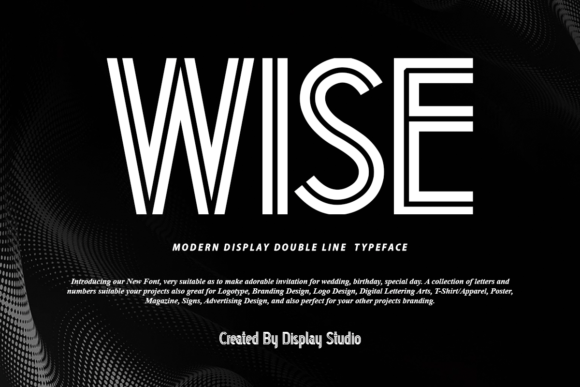
To utilize any design element effectively, one must first understand its fundamental DNA. Wise is categorized as a display font, which means it is optimized for large sizes and short bursts of text rather than long-form body copy. Its name suggests a certain level of intelligence in its construction—a typeface that "knows" when to stand out and when to recede. The "cool" aspect of its personality comes from its clean lines and modern geometric influences, giving it a contemporary edge that feels fresh and relevant.
The descriptor "neat" refers to the precision of its strokes and the consistency of its spacing. In a world where cluttered interfaces and messy layouts are common pitfalls, Wise offers a sense of order. This neatness ensures that even complex designs remain legible and organized. However, what truly sets Wise apart is its adaptability. Unlike many display fonts that are rigid in their application, Wise possesses a chameleon-like quality. It can mimic the sharpness required for tech startups while retaining the warmth needed for lifestyle blogs or craft markets.
When designers select a font, they are often making a trade-off between style and function. Wise minimizes this friction. Its structure allows it to hold up under scrutiny at large scales without losing detail, yet it remains approachable enough to be used in casual contexts. This duality makes it an excellent candidate for brands that want to appear both sophisticated and accessible.
Practical Applications Across Creative Industries
The true value of a versatile typeface is revealed in its real-world applications. Because Wise is designed to be adaptable, it fits seamlessly into a wide array of workflows and industries. Let us explore how different professionals are utilizing this font to achieve their specific goals.
- Digital Design and Web Interfaces: For web designers and UI/UX specialists, the challenge is often capturing attention within seconds. Wise serves as an exceptional hero font for landing pages and app headers. Its neat structure ensures that headlines are readable on mobile devices, while its cool aesthetic aligns perfectly with modern, minimalist web trends. When paired with ample white space, Wise allows the content to breathe, reducing cognitive load for the user.
- Crafting and DIY Projects: The crafting community values personalization above all else. Whether creating custom stickers, scrapbooking, or designing party invitations, Wise offers the flexibility to match various themes. Its adaptable nature means it can be used for whimsical children's party invites just as easily as for elegant wedding stationery. The font's clear letterforms ensure that even hand-lettered styles or cut-out letters maintain their integrity.
- Presentation and Pitch Decks: Business professionals know that a presentation is only as good as its delivery, but poor slide design can undermine even the best pitch. Using Wise for titles and key data points can instantly elevate the perceived quality of a deck. It commands authority without being aggressive. The neat alignment of the characters helps organize complex information, making it easier for stakeholders to digest financial reports or strategic roadmaps.
- Greeting Cards and Personal Stationery: In the realm of personal expression, the font choice sets the emotional stage. A birthday card needs joy, a sympathy card needs grace, and a thank-you note needs sincerity. Wise adapts to these nuances. By adjusting weight and size, creators can shift the mood from playful to formal effortlessly. This makes it a go-to resource for card makers who need a single font family to cover multiple occasions.
Bridging the Gap Between Hobbyists and Professionals
One of the most significant advantages of Wise is its ability to serve both entry-level hobbyists and seasoned industry veterans. For the amateur crafter, the font's clarity reduces the learning curve associated with complex design software. The distinct shapes of the letters make them easy to recognize and manipulate, allowing beginners to produce polished results quickly. Conversely, for the professional graphic designer, Wise offers the nuance required to execute high-end branding campaigns. This inclusivity democratizes good design, ensuring that high-quality typography is not reserved solely for those with extensive budgets or technical expertise.
Strategic Benefits for Brand Identity
Building a strong brand identity requires consistency, memorability, and distinctiveness. Wise contributes to all three pillars. When a business adopts Wise across its touchpoints—from social media graphics to physical packaging—it creates a cohesive visual language. The "cool" factor appeals to younger demographics, while the "neat" structure reassures older, more traditional consumers. This broad appeal is rare in the typographic market.
Furthermore, the adaptability of Wise supports dynamic branding strategies. As markets evolve, brands often need to pivot their messaging without completely overhauling their visual identity. A font like Wise can stretch to accommodate new sub-brands or campaign themes without looking out of place. For instance, a sustainable fashion label might use Wise in a bold, black-and-white editorial layout, then switch to a softer, pastel version for a summer collection launch, maintaining brand recognition throughout the transition.
Consider the scenario of a startup launching a new productivity app. They need a logo and interface that conveys efficiency and intelligence. Wise fits this brief perfectly. Its clean lines suggest organization, while its modern feel implies innovation. By contrast, using an overly decorative font might distract from the app's utility, while a standard sans-serif might fail to capture the company's unique voice. Wise strikes the perfect balance, acting as a silent partner that enhances the product rather than overshadowing it.
Implementation Considerations and Best Practices
While Wise is a powerful tool, like any design element, it requires thoughtful implementation to yield the best results. To maximize the impact of this font, creators should adhere to certain best practices regarding hierarchy, pairing, and context.
- Establish Clear Hierarchy: Since Wise is a display font, it should primarily be used for headings, captions, and short phrases. Avoid using it for long paragraphs of text, as this can lead to readability issues. Instead, pair Wise with a highly legible body font to create a balanced composition.
- Master Contrast: The strength of Wise lies in its contrast. Use it against backgrounds that allow its shape to shine. High-contrast color schemes, such as dark text on light backgrounds or vice versa, work exceptionally well. For digital screens, ensure sufficient padding around the text to let the "neat" character spacing do its work.
- Contextual Adaptation: Be mindful of the medium. On a printed greeting card, the ink spread might slightly alter the perception of the font's edges, so testing proofs is essential. In digital environments, pay attention to rendering on different screen resolutions to ensure the crisp lines of Wise remain sharp.
- Mix with Caution: When combining Wise with other typefaces, choose companions that complement its geometry. A neutral sans-serif or a subtle serif often works best. The goal is to let Wise take the spotlight while the secondary font provides the necessary support structure.
Navigating Trends Without Losing Timelessness
Typography trends come and go with alarming speed. What was popular five years ago may look dated today. However, the core attributes of Wise—its coolness, neatness, and adaptability—give it a timeless quality. It does not rely on fleeting gimmicks but rather on solid design principles. This longevity is a crucial consideration for businesses investing in branding assets. Choosing a font that will remain effective for years protects the investment and prevents the need for frequent rebranding efforts.
For researchers and educators, Wise offers a way to present data and concepts clearly. In academic papers or educational posters, clarity is paramount. Wise can highlight key terms or section headers without distracting from the dense information surrounding them. Its structured appearance lends an air of credibility and seriousness to the content, which is essential for maintaining the trust of the audience.
The Future of Adaptable Typography
As the digital ecosystem continues to expand, the demand for flexible design solutions grows. We are moving towards a future where content must be fluid, adapting to various screen sizes, formats, and user preferences simultaneously. Fonts that can morph and adjust to these constraints are becoming increasingly valuable. Wise represents a step in this direction, offering a design system that is robust enough to handle complexity but simple enough to remain elegant.
The rise of user-generated content also highlights the need for tools that empower non-designers. Platforms that integrate Wise into their templates enable users to create professional-looking graphics without needing a degree in graphic design. This accessibility fosters creativity and allows more voices to be heard in the marketplace. Whether it is a small business owner promoting their artisanal goods or a teacher sharing lesson plans, Wise provides the visual polish needed to compete in a saturated environment.
Conclusion: Elevating Your Visual Narrative
In summary, the journey through the world of typography reveals that the right typeface can make all the difference. Wise stands out as a premier choice for those seeking a blend of style, functionality, and versatility. Its cool demeanor and neat structure make it suitable for a vast spectrum of applications, from high-tech presentations to heartfelt greeting cards. By understanding its characteristics and applying it with intention, creators can unlock new levels of expressiveness in their work.
Whether you are a professional looking to refine your brand's visual identity, a creator seeking to impress your audience, or a hobbyist wanting to add a touch of elegance to your crafts, Wise offers the tools you need. It is a font that respects the intelligence of the viewer and the intent of the designer. As you embark on your next project, consider how the adaptability of Wise can help tell your story more effectively, ensuring that your message is not just seen, but felt.