Psychedelic Font Evaluation
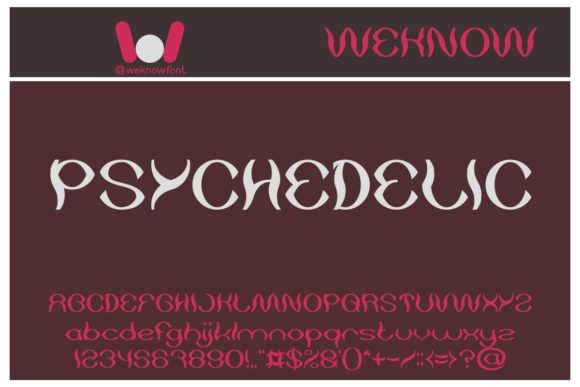
In the expansive landscape of digital typography, selecting the right typeface is a critical decision that influences brand perception and user engagement. Psychedelic is a fancy and chic display font designed to capture attention through its distinctive aesthetic. It is often cited as the ideal choice for creating eye-catching logos, branding elements, and impactful quotes. Unlike standard body text fonts which prioritize legibility above all else, Psychedelic prioritizes character and visual flair. Each letter in this family possesses a unique and beautiful touch, intended to make your design come alive with movement and energy.
Understanding the Psychedelic Typeface
To evaluate whether this font aligns with your project requirements, it is necessary to understand its structural characteristics. The name implies a connection to the vibrant, swirling patterns associated with the psychedelic art movement of the 1960s, yet the execution is modernized for contemporary use. The defining feature of this typeface is its variability; no two letters are identical in their curvature or stroke weight. This organic irregularity creates a sense of hand-crafted artistry within a digital format.
The font operates primarily as a display typeface. This classification means it is engineered for short bursts of text rather than long-form reading. Its high-contrast strokes and decorative terminals are optimized for large sizes where details can be appreciated. When used correctly, the unique touches on each letter create a rhythm that guides the viewer's eye across headlines and titles. However, this same complexity is what prevents it from functioning effectively as a utility font for paragraphs or technical documentation.
Strategic Applications and Branding Benefits
Designers and business owners frequently consider Psychedelic when they need to convey a specific mood: creativity, nostalgia, excitement, or artistic freedom. Because the font has such a strong personality, it eliminates the need for excessive graphic embellishments. A logo created with this typeface can stand alone without additional icons or complex illustrations.
- Brand Identity: For creative agencies, boutique studios, or lifestyle brands targeting a younger demographic, this font establishes an immediate tone of innovation and non-conformity.
- Event Marketing: Concert posters, festival flyers, and event invitations benefit from the dynamic nature of the letters, which naturally suggest movement and sound.
- Social Media Graphics: In crowded digital feeds, the unique shapes of the characters help content stop the scroll. Quotes and pull-quotes rendered in this style appear more editorial and curated.
The primary benefit of choosing this font is differentiation. In a market saturated with clean, minimalist sans-serifs and traditional serifs, Psychedelic offers a distinct visual signature. It allows a brand to assert that it values individuality and artistic expression over corporate uniformity.
Tradeoffs and Functional Limitations
While the aesthetic appeal is undeniable, there are significant tradeoffs to consider before committing to this typeface. The most critical limitation is legibility at small scales. The intricate details that give the font its charm become muddy or indistinguishable when reduced to small point sizes or viewed on low-resolution screens.
Furthermore, the "fancy" nature of the font can clash with serious subject matter. If a financial institution, healthcare provider, or legal firm attempts to use this font, it may undermine their credibility by appearing frivolous or unprofessional. The font carries a heavy emotional load; it tells the reader to expect something fun, loud, or artistic. Using it for somber news or straightforward instructions creates cognitive dissonance for the audience.
Another consideration is accessibility. High-contrast and highly stylized fonts can present challenges for users with visual impairments or dyslexia. The unique shapes of the letters may confuse readers who rely on consistent character recognition patterns. Therefore, using Psychedelic for critical navigation elements or safety warnings is generally inadvisable.
Situations Where Alternatives May Be Worth Considering
Evaluating your needs requires looking beyond the initial attraction of the design. There are scenarios where other typefaces would serve the project better than Psychedelic.
- Corporate Communication: If the goal is to build trust and authority, a neutral geometric sans-serif or a classic serif is a safer and more effective choice. These fonts recede into the background, allowing the message to take center stage without distraction.
- High-Density Content: For websites with extensive articles, dashboards, or data-heavy interfaces, readability is paramount. A clean, open typeface with generous spacing will reduce eye strain and improve information retention significantly.
- Global Markets: If the target audience spans multiple cultures, a font with less cultural specificity might be preferred. Psychedelic leans heavily into a specific Western art history context, which may not resonate universally.
In these cases, designers often opt for a hybrid approach. They might use a standard, highly legible font for the body copy and navigation while reserving Psychedelic strictly for hero headlines or call-to-action buttons. This strategy leverages the font's strengths without compromising the overall usability of the design.
Practical Decision-Making Insights
When deciding whether to integrate Psychedelic into a project, start by defining the core objective of the communication. Ask yourself if the goal is to inform, persuade, or entertain. If the answer leans heavily toward entertainment or brand storytelling, this font is likely a strong fit. If the primary goal is efficient information transfer, proceed with caution.
It is also essential to test the font in its intended environment. View mockups on mobile devices, tablets, and desktop monitors. Check how the unique letterforms interact with different backgrounds, particularly busy or colorful ones. The contrast between the text and the background must remain sufficient to ensure the text remains readable despite the font's complex structure.
Consider the longevity of the design. Trends in typography shift rapidly. While Psychedelic has a timeless quality rooted in historical art movements, it is inherently tied to a specific era's aesthetic. Ensure that the brand identity you are building can sustain this look for years without appearing dated or out of step with future design trends.
Determining Alignment with Your Goals
Ultimately, the decision to use Psychedelic rests on whether its unique character supports your broader narrative. It is not merely a tool for decoration but a voice for your brand. If your brand speaks in a language of boldness, creativity, and visual delight, then the fancy and chic display of this font will amplify that message effectively.
However, if your brand relies on clarity, neutrality, and understated elegance, this font may introduce too much noise into the conversation. By carefully weighing the benefits of its unique touches against the potential costs to legibility and professionalism, designers can make informed choices. The ideal usage respects the balance between making a design come alive and ensuring the message is clearly received.
For those seeking to create memorable logos, striking branding materials, or inspirational quotes, Psychedelic remains a compelling option. Its ability to transform simple text into a visual experience makes it a valuable asset in the right context. As with any design element, success depends on thoughtful application and a clear understanding of the audience's expectations.