Zt Sigata: The Hybrid Font for Modern Design
In the crowded landscape of digital typography, finding a typeface that commands attention without sacrificing readability is a persistent challenge. Most designers are forced to choose between the structural integrity of serif fonts and the clean minimalism of sans serifs. Zt Sigata disrupts this binary choice. It is not merely a font; it is an experiment in visual harmony, merging two distinct stylistic worlds into a single, cohesive identity.
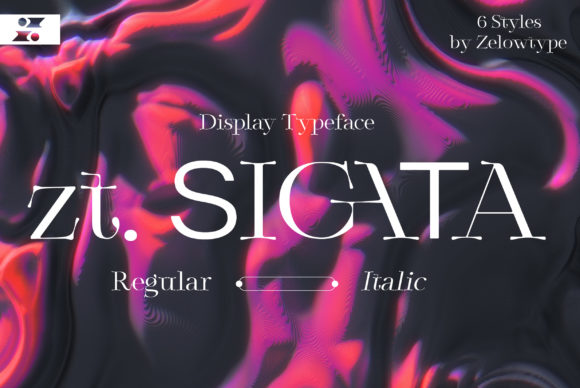
This hybrid display font combines the authoritative presence of serif with the approachable clarity of sans serif. The result is a typeface that feels both grounded and fluid, offering creators a unique tool for projects that require immediate impact and lasting elegance. Whether you are designing a brand identity or crafting a magazine layout, understanding how to leverage Zt Sigata can elevate your work from standard to exceptional.
The Anatomy of Contrast
To truly appreciate Zt Sigata, one must look at how its components interact. The design is built on a deliberate duality. On one hand, the serif elements introduce a sense of tradition and structure. These are not traditional, rigid serifs; they are designed with "water droplets"—a subtle, organic quality that suggests movement and coolness. This detail adds a layer of sophistication, preventing the text from feeling static or overly corporate.
On the other hand, the sans serif aspects provide softness on each side of the letterforms. This creates a balanced visual weight that is easy on the eyes. The combination results in an extraordinarily beautiful design invention that avoids the harshness often associated with pure geometric sans serifs while retaining the modern appeal that contemporary audiences expect. For designers, this means you get the best of both worlds: the trustworthiness of a serif and the accessibility of a sans serif.
Creative Applications in Branding
One of the most powerful ways to use Zt Sigata is in logo design and company branding. In a market saturated with minimalist logos, a typeface with such distinct character can serve as the primary differentiator. Because the font carries so much personality within its own forms, it reduces the need for complex graphic embellishments. A well-placed logo using Zt Sigata can communicate luxury, creativity, and modernity simultaneously.
- Luxury Packaging: Use the font for product names on cosmetics, beverages, or artisanal goods. The "water droplet" serifs evoke freshness and purity, making it ideal for water-based products, skincare, or high-end spirits.
- Tech Startups: Despite its elegant roots, the sans serif core keeps it relevant for tech brands. It suggests innovation without losing human touch, which is crucial for user-centric companies.
- Fashion Editorial: The contrast between the sharp and soft elements mirrors the dynamic nature of fashion. It works beautifully for headlines in lookbooks or campaign materials.
Elevating Print and Digital Media
While display fonts are often relegated to headlines, Zt Sigata’s versatility allows it to shine across various media formats. Its legibility at larger sizes makes it a powerhouse for posters and event flyers. Imagine a concert poster where the artist’s name is set in Zt Sigata—the organic serifs add a tactile feel that digital screens often lack, inviting the viewer to engage more deeply with the physical artifact.
In film and television, title sequences benefit greatly from fonts that tell a story before a single word of dialogue is spoken. Zt Sigata’s dual nature can suggest themes of duality, conflict, or balance, depending on how it is styled. Pairing it with bold, dark backgrounds can create a moody, cinematic atmosphere, while lighter backgrounds can yield a crisp, documentary-style aesthetic.
Magazine and Editorial Layouts
For publishers and bloggers, Zt Sigata offers a fresh alternative to standard display fonts like Baskerville or Helvetica. Using it for pull quotes or section headers can break up dense text and guide the reader’s eye through the content. The key here is restraint. Let the font speak for itself by giving it ample white space. Avoid cluttering the layout with competing decorative elements; the complexity of the font itself provides enough visual interest.
Practical Tips for Implementation
Using a distinctive typeface requires a strategic approach to ensure your designs remain effective and organized. Here are practical guidelines for integrating Zt Sigata into your workflow:
- Pairing Strategy: Since Zt Sigata is a strong display font, pair it with a neutral, highly readable body font. A simple sans serif like Arial or a classic serif like Garamond will allow the headline to stand out without creating visual chaos. The goal is contrast, not competition.
- Scale Matters: Display fonts lose their character when scaled down. Reserve Zt Sigata for large headings, titles, and short phrases. Do not use it for long paragraphs of body text, as the intricate details may become muddy and difficult to read on smaller screens.
- Color and Texture: Experiment with color to enhance the font’s mood. Cool tones like blues and teals can emphasize the "water droplet" aspect, while warm earth tones can highlight the organic softness. Consider adding subtle textures, such as grain or noise, to give the text a tactile quality, especially for print projects.
- Kerning and Tracking: Pay close attention to spacing. The unique shapes of the letters may require slight adjustments to kerning to ensure optimal readability. Loose tracking can enhance the airy, modern feel, while tight tracking can create a more compact, impactful look.
Audience-Specific Adaptations
Different professionals can extract unique value from Zt Sigata based on their specific goals:
For Marketers: Focus on conversion-driven designs. Use the font in call-to-action buttons or promotional banners where you need to grab attention instantly. The emotional resonance of the "cool" serifs can subconsciously influence consumer perception, suggesting quality and care.
For Educators and Content Creators: Use Zt Sigata to make educational materials more engaging. Textbooks and online courses often suffer from dry aesthetics. Injecting a bit of personality into chapter headers or slide titles can increase retention and keep learners interested.
For Freelancers and Hobbyists: This font is an excellent tool for personal branding. If you are a photographer, writer, or artist, using Zt Sigata on your website or portfolio can signal that you pay attention to detail and have a refined taste. It helps establish credibility and distinguishes your work from generic templates.
Maintaining Consistency and Originality
As with any design element, consistency is key to building a recognizable style. When using Zt Sigata, define clear rules for its application within a project. Decide whether it will be used for all headings, only main titles, or specific emphasis points. Stick to these rules to maintain a cohesive visual language.
Furthermore, remember that originality comes from context. While the font itself is a fixed asset, your creative direction is not. Combine Zt Sigata with unexpected imagery, unconventional layouts, or bold color palettes to create something truly unique. Don’t be afraid to stretch the boundaries of how the font is typically used. Perhaps rotate it, overlap it with images, or combine it with hand-drawn elements. The more you experiment, the more you will discover the full potential of this extraordinary design invention.
Zt Sigata is more than just a typeface; it is a statement. By blending the reliability of serif with the modernity of sans serif, it offers a versatile solution for designers seeking to make a memorable impression. Whether you are crafting a high-stakes brand identity or a personal blog, this font provides the tools to create work that is not only seen but felt. Embrace its duality, respect its details, and let it bring a new dimension of beauty to your creative projects.