The Bleeding Font: Elevating Horror and Dark Design Aesthetics
In the world of visual communication, typography is rarely just about readability. It is about atmosphere, emotion, and immediate psychological impact. When a designer needs to convey dread, visceral horror, or raw intensity, standard sans-serif or serif typefaces often fall short. This is where The Bleeding steps in as a specialized tool for creators who understand that the right font can transform a mundane layout into an unforgettable experience.
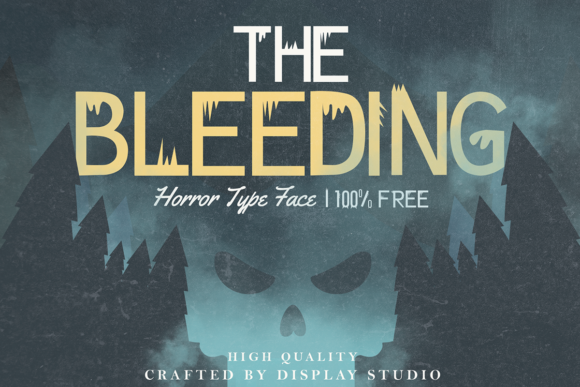
The Bleeding is not merely a decorative display font; it is a statement piece designed specifically for genres that thrive on tension and fear. Whether you are designing a poster for a Halloween event, crafting a logo for a heavy metal band, or creating a user interface for a survival horror video game, this typeface offers a distinct visual language. It mimics the organic, chaotic nature of blood splatter and dripping fluids, providing an instant "scary touch" that resonates deeply with adult audiences aged 20–50 who appreciate high-quality, thematic design.
Understanding the Anatomy of The Bleeding
To utilize The Bleeding effectively, one must first understand its structural characteristics. Unlike traditional fonts that prioritize uniformity and clean lines, The Bleeding embraces asymmetry and irregularity. The letterforms are constructed with jagged edges, varying stroke weights, and intentional drips that suggest movement and fluidity. This design choice creates a sense of unease, subconsciously triggering the viewer’s alertness.
The strength of this font lies in its legibility despite its chaotic appearance. While many horror fonts sacrifice readability for style, The Bleeding strikes a careful balance. At larger sizes, such as in headlines or titles, the characters are distinct and impactful. However, designers should be cautious when using it for body text. The intricate details that make it visually striking can become cluttered and difficult to read at small point sizes, leading to user fatigue rather than engagement.
- Organic Drips: The letters feature natural-looking droplets that add vertical interest and a sense of gravity.
- Jagged Edges: Rough borders simulate torn flesh or dried blood, enhancing the visceral quality of the text.
- Variable Weight: The inconsistent thickness of the strokes adds dynamism, preventing the text from looking static or flat.
Practical Applications Across Industries
The versatility of The Bleeding extends beyond simple novelty. Professionals across various sectors can leverage this font to enhance their brand identity or project aesthetic. Here is how different groups can apply it in real-world scenarios.
Entertainment and Media
For filmmakers, game developers, and content creators, The Bleeding is an invaluable asset. In the gaming industry, particularly within the survival horror genre, typography plays a crucial role in setting the mood. Using this font for mission briefings, item descriptions, or enemy names can immerse players deeper into the narrative. Similarly, podcasters covering true crime or paranormal topics can use it for show art, instantly signaling the tone of their content to potential listeners.
Event Marketing and Hospitality
Nightclubs, escape rooms, and haunted attractions rely heavily on atmospheric design. A menu for a themed restaurant or a flyer for a gothic rock concert benefits significantly from the aggressive styling of The Bleeding. When paired with dark backgrounds and neon accents, the font pops, drawing attention immediately. For event organizers, using this font on digital tickets or social media graphics ensures that the branding aligns perfectly with the expected experience.
Music and Branding
Brands in the alternative music scene, such as those producing metal, punk, or industrial tracks, often seek logos that reflect their sonic intensity. The Bleeding provides a ready-made solution for album covers, merchandising, and stage backdrops. Its rugged appearance complements loud, aggressive audio profiles, creating a cohesive sensory experience for the consumer.
Strategic Benefits of Thematic Typography
Why invest time in selecting a niche font like The Bleeding? The answer lies in brand differentiation and user engagement. In a saturated digital landscape, standing out requires more than just good content; it requires distinctive visual packaging.
When a user encounters a design featuring The Bleeding, they immediately categorize the information. There is no ambiguity. This reduces cognitive load by allowing the audience to quickly assess whether the content matches their interests. For educators teaching design principles, this font serves as an excellent case study in contextual appropriateness. It demonstrates how typography can support or detract from a message.
Furthermore, incorporating thematic fonts can boost conversion rates in specific niches. A horror-themed escape room booking page that uses generic fonts may feel disconnected from the thrill promised. By integrating The Bleeding into the call-to-action buttons or headers, the design reinforces the promise of excitement, potentially increasing sign-ups.
Best Practices for Implementation
While The Bleeding is powerful, it demands respect and careful handling. Misuse can lead to designs that appear amateurish rather than professional. Here are essential guidelines for integrating this font into your projects.
- Limit Usage: Reserve The Bleeding for headlines, titles, and key graphical elements. Avoid using it for paragraphs of text. Instead, pair it with a clean, neutral sans-serif font for body copy to maintain readability.
- Consider Contrast: Because the font has complex details, it works best against simple, solid backgrounds. Cluttered images behind bleeding text will result in a muddy, illegible mess.
- Test Legibility: Always preview your design at various sizes. What looks cool on a large banner may be unreadable on a mobile screen. Adjust tracking (letter spacing) if necessary to prevent the drips from overlapping too much.
- Maintain Consistency: Do not mix The Bleeding with other decorative fonts unless you have advanced typographic skills. Let it be the star of the show.
Ethical and Contextual Considerations
As a professional, it is vital to consider the context in which The Bleeding is used. The imagery associated with blood and gore can be disturbing to some audiences. Therefore, it is crucial to ensure that the use of this font aligns with the values of your brand and the expectations of your target demographic. Using it in a corporate annual report or a children’s educational app would be inappropriate and potentially damaging to your reputation.
Respectful usage involves understanding cultural sensitivities. While horror is a popular genre, graphic violence should always be handled with care. The Bleeding evokes the *idea* of blood without necessarily depicting explicit gore, making it a safer option for broader commercial applications where extreme content might be restricted.
Conclusion
The Bleeding is more than just a font; it is a strategic design element capable of transforming ordinary layouts into immersive experiences. For professionals seeking to add a layer of intensity, mystery, or fear to their work, this typeface offers a robust and effective solution. By understanding its characteristics and applying it with precision, creators can engage their audience on a deeper emotional level.
Whether you are a freelancer building a portfolio, a marketer launching a seasonal campaign, or a hobbyist designing custom merchandise, The Bleeding provides the perfect finishing touch for any project requiring a scary, compelling aesthetic. Use it wisely, use it sparingly, and let it bring your darkest ideas to life.