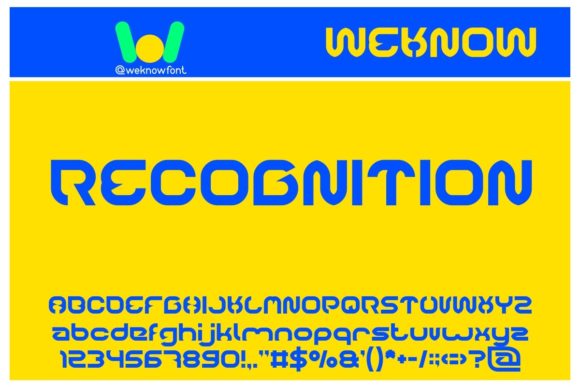
Recognition: The Techno Display Font That Elevates Every Creative Project
In a digital landscape saturated with generic sans-serifs and overused serif pairings, finding a typeface that instantly commands attention while maintaining technical precision is a rare challenge. This is where Recognition steps in as a definitive solution for designers who refuse to compromise on impact. As a techno display font, it bridges the gap between futuristic aesthetics and professional utility, offering a visual language that speaks directly to modern audiences.
Whether you are crafting a brand identity for a tech startup or designing a poster for an underground music festival, the right typography can make or break your message. Recognition isn't just another decorative font; it is a strategic tool designed to cut through the noise. Its sharp angles and structured forms evoke a sense of innovation and reliability, making it an ideal choice for projects that demand both style and substance.
Defining the Aesthetic: What Makes Recognition Unique?
The core strength of Recognition lies in its distinct character set. Unlike standard display fonts that might lean too heavily into gimmicks, this typeface balances the raw energy of industrial design with clean, legible lines. The "techno" aspect of its classification suggests a connection to machinery, data, and the future, yet it remains grounded enough for corporate environments.
When you examine the letterforms closely, you notice a deliberate use of geometric precision. The strokes are often uniform in weight, creating a solid, monolithic feel that works exceptionally well at large sizes. However, the font also possesses subtle nuances—slight variations in terminal cuts or unique crossbar treatments—that prevent it from looking like a simple grid. These details ensure that even when used in smaller contexts, such as UI elements or social media captions, the font retains its personality without sacrificing readability.
This duality is crucial for professionals. You want a font that looks cool on a billboard but still functions effectively on a mobile screen. Recognition delivers this versatility by prioritizing structural integrity. It avoids the extreme thinning or thickening common in other display fonts, ensuring that your message remains clear regardless of the medium.
Key Characteristics for Modern Designers
- High Impact: The bold, blocky nature of the letters ensures immediate visibility, perfect for headlines that need to stop a user's scroll.
- Tech-Forward Vibe: The angular geometry naturally aligns with themes of technology, engineering, and digital transformation.
- Scalability: Designed to perform equally well in massive outdoor formats and compact digital interfaces.
- Versatile Tone: Capable of shifting from serious corporate communication to edgy entertainment content seamlessly.
Practical Applications Across Industries
The true value of Recognition becomes apparent when applied to real-world scenarios. Because it is not limited to a single niche, it serves as a versatile asset for a wide range of users, from freelance graphic designers to marketing directors at Fortune 500 companies.
For the corporate and branding sector, this font offers a way to signal forward-thinking leadership. Companies in the software, automotive, or logistics industries often struggle to find typography that reflects their operational efficiency without appearing cold. Recognition solves this by adding a layer of human-centric design to technical subjects. When used in a logo or logotype, it conveys stability and precision, qualities that are essential for building trust with clients.
In the entertainment and media space, the font shines even brighter. Movie posters, album covers, and comic book titles require typography that suggests action and drama. The techno aesthetic of Recognition pairs perfectly with genres like sci-fi, cyberpunk, and thriller. Imagine a YouTube video thumbnail for a gaming channel or an Instagram post promoting a new electronic music release; the font's sharp edges create a dynamic visual rhythm that draws the eye immediately.
Creative Use Cases for Specific Projects
Consider the needs of apparel designers. Streetwear brands constantly seek fonts that look good printed on t-shirts and hoodies. Recognition's strong structure translates beautifully to fabric, creating bold graphics that stand out against various textures. Similarly, for publishers and magazine editors, using Recognition for section headers or pull quotes can break up dense text blocks, guiding the reader's eye and improving the overall user experience.
Educators and content creators will also find value here. In the age of short-form content, grabbing attention within seconds is paramount. A website header or a blog post title set in Recognition acts as a visual anchor, signaling to the reader that the content is authoritative and engaging. For bloggers and freelancers, this means higher engagement rates and better retention of audience interest.
Strategic Benefits for Brand Identity
Beyond mere aesthetics, choosing the right font is a strategic business decision. Typography influences perception, and Recognition is engineered to shape how your audience perceives your brand. In a crowded market, differentiation is key. By adopting a distinctive typeface, you create a visual signature that separates you from competitors using more common fonts.
One of the primary benefits of using Recognition is enhanced brand recall. When a font has a unique character, it becomes memorable. If a user sees a poster, a website, or a product package featuring this font, they are more likely to remember the brand associated with it. This cognitive advantage is invaluable for marketers looking to build long-term brand equity.
Furthermore, the font supports efficient communication. Its clarity ensures that the message is delivered quickly and accurately. In commercial environments, time is money. A headline that is instantly readable reduces friction for the consumer, allowing them to grasp the value proposition immediately. Whether it is a call-to-action button on a website or a price tag on a garment, the font facilitates a smooth flow of information.
Implementation Best Practices
- Pairing Strategies: While Recognition is powerful on its own, it often pairs best with a neutral body font. A clean, minimalist sans-serif can balance the techno edge of Recognition, ensuring that the fine print remains legible while the headlines remain striking.
- Context Matters: Avoid using the font for large blocks of text. It is designed as a display typeface, meaning it excels in short bursts of information. Using it for paragraphs can lead to visual fatigue and reduced readability.
- Color and Contrast: To maximize the impact of Recognition, pay close attention to color selection. High contrast combinations, such as white text on a dark background or neon accents on black, enhance the technological feel of the font.
Making the Right Choice for Your Workflow
Selecting a font is an investment in your creative workflow. Recognition offers a robust toolkit that saves time and elevates output quality. For professionals who manage multiple projects across different platforms, having a reliable display font that works everywhere is essential. You don't have to worry about compatibility issues or awkward spacing; the font is built to handle diverse layouts with ease.
Moreover, the font's adaptability means it grows with your career. A freelancer starting a personal portfolio today might be running a successful agency tomorrow. Recognition provides the same level of professionalism whether you are designing a simple business card or a full-scale corporate rebrand. It is a font that respects the craft of design while embracing the demands of the modern digital economy.
Ultimately, the goal of any designer is to communicate effectively. Recognition does exactly that. It removes the ambiguity of generic typefaces and replaces it with a clear, confident voice. Whether you are defining a brand identity, creating engaging social media content, or producing high-stakes marketing materials, this techno display font provides the foundation you need to succeed. By integrating Recognition into your design process, you are not just choosing a font; you are choosing a partner in visual storytelling that understands the power of a strong first impression.