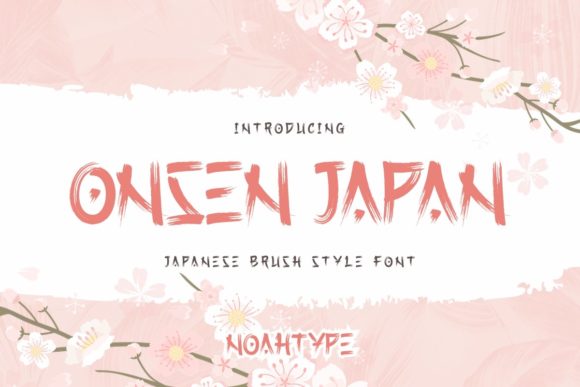
Onsen Japan: Bringing Authentic Japanese Aesthetics to Your Next Project
If you have ever walked through a traditional ryokan in Kyoto or sat by the steaming waters of a hot spring, you know the feeling. It is a moment of calm, a sense of authenticity that cuts through the noise of modern life. Now, imagine capturing that exact atmosphere on a piece of paper or a digital screen. That is exactly what Onsen Japan does for typography. This cool, brushed, and Japanese-inspired display font brings a raw, authentic energy to your designs, transforming ordinary text into something that feels fresh and deeply rooted in culture.
Designers often struggle to find fonts that balance style with readability while maintaining a specific cultural vibe. Many options feel too polished, too generic, or simply like a cheap imitation. Onsen Japan avoids these pitfalls. With its distinctive brush strokes and organic texture, it mimics the fluidity of hand-painted calligraphy without sacrificing the structure needed for modern branding. Whether you are a small business owner trying to stand out on a menu or a blogger looking to add personality to your headers, this typeface offers a unique visual voice that commands attention.
Why Choose Onsen Japan for Your Brand Identity
The world of design is crowded. To make a lasting impression, you need more than just clean lines; you need character. Onsen Japan provides a level of texture that standard sans-serif or serif fonts simply cannot replicate. The "brushed" quality gives it a human touch, suggesting that a real person picked up a brush and created it. This imperfection is what makes it so appealing to creators who value authenticity over sterile perfection.
When you apply this font to a logo, you are not just choosing a shape; you are invoking a mood. It suggests craftsmanship, tradition, and a connection to nature. For entrepreneurs in the food, wellness, or lifestyle sectors, this emotional connection is invaluable. It tells your audience that your product was made with care and respect for heritage. It works particularly well when paired with minimalist layouts, allowing the intricate details of the letters to shine without competing with other elements.
Real-World Applications Across Different Industries
To truly understand the power of this typeface, we need to look at how it functions in actual scenarios. Let's explore some practical use cases where Onsen Japan can elevate a project from good to memorable.
- Restaurant Menus and Food Packaging: Imagine walking into a ramen shop or a sushi bar. The menu isn't printed in a blocky Arial font; instead, the title reads "Authentic Ramen" in a flowing, ink-wash style. This immediately sets expectations for the dining experience. Onsen Japan excels here because it evokes the steam rising from a bowl and the artistry of plating. It adds a layer of sophistication that justifies premium pricing and builds trust with diners.
- Event Posters and Festival Flyers: Whether you are organizing a local tea ceremony, a cultural festival, or a yoga retreat, the poster needs to grab attention instantly. The dynamic strokes of Onsen Japan create movement on the page. It feels alive. When used for headlines on event flyers, it draws the eye and creates an inviting atmosphere that encourages people to attend.
- Blog Headers and Digital Content: For bloggers and content creators, standing out in a feed is crucial. Using Onsen Japan for post titles breaks the monotony of standard web fonts. It signals to the reader that the content within is special, curated, or deeply researched. It adds a tactile quality to the digital space, making the reading experience feel more intimate and personal.
- Educational Materials and Workshops: Teachers and workshop leaders often use printed handouts or slides. Incorporating this font into educational materials about Japanese culture, history, or even language arts can immerse students in the subject matter. It turns a standard lesson plan into a visual journey, helping learners connect emotionally with the material they are studying.
How Different Users Benefit from This Font
Different professionals interact with design tools in different ways, and Onsen Japan adapts to these varying needs. Freelancers often wear multiple hats, managing everything from client pitches to final deliverables. For them, having a versatile font like this saves time. Instead of searching for stock images to convey a "Japanese theme," they can simply swap the headline font to achieve the desired aesthetic instantly.
Small business owners benefit significantly from the cost-effectiveness of using a single, strong typeface. Rather than hiring a graphic designer for every minor update, they can maintain a consistent brand identity using Onsen Japan across their social media graphics, business cards, and website headers. The font's ability to convey "fresh" and "authentic" means the business looks established and professional without needing a massive marketing budget.
Even hobbyists find value in this tool. Perhaps you are scrapbooking a trip to Japan, creating custom greeting cards for friends, or designing a label for homemade hot sauce. The font allows non-professionals to produce high-quality, visually stunning work that rivals commercial products. It bridges the gap between amateur enthusiasm and professional execution.
Practical Considerations Before You Start
While Onsen Japan is a powerful addition to any toolkit, successful implementation requires thoughtfulness. Typography is not just about picking something that looks cool; it is about legibility and context. Because this is a display font with heavy brush strokes, it is best suited for headlines, titles, and short phrases rather than long blocks of body text. Trying to read a paragraph written entirely in Onsen Japan would be exhausting and counterproductive.
Consider the color palette as well. The strength of the font comes from its contrast and texture. It pairs beautifully with earth tones, deep blacks, soft whites, and muted greens. However, if you place it against a busy background or a clashing bright color, the nuance of the brush strokes might get lost. Always test your design in black and white first to ensure the letterforms hold up before adding color.
Another critical factor is licensing. As with any premium or specialized font, you must understand the usage rights. Are you using it for a personal blog? A client's commercial product? An internal presentation? Some licenses allow for unlimited digital use, while others may restrict print runs or require additional fees for merchandise. Reading the license agreement carefully ensures you stay on the right side of copyright law and avoid unexpected costs down the line.
Making the Most of Your Design Toolkit
Incorporating Onsen Japan into your workflow is about more than just downloading a file; it is about adopting a mindset of intentional design. It encourages you to slow down and think about the story you are telling. Every stroke of the brush should serve a purpose, guiding the viewer's eye and reinforcing your message.
For marketers, this font can be a secret weapon in rebranding efforts. If your current brand feels too corporate or distant, introducing elements of Onsen Japan can soften the image and make it more approachable. It humanizes the brand, showing that there are real people behind the products and services.
Ultimately, the success of Onsen Japan lies in its versatility and its ability to evoke a specific feeling. It is not a one-size-fits-all solution, but for the right project, it is unbeatable. Whether you are launching a new startup, updating a family recipe book, or planning a community event, this font offers a way to express yourself with clarity and style. By understanding its strengths and limitations, you can harness its potential to create designs that are not only beautiful but also meaningful and effective.
Take the time to experiment. Play with different sizes, weights, and pairings. See how it interacts with your existing brand assets. You might find that this single font becomes the cornerstone of your visual identity, turning everyday projects into extraordinary experiences. In a world full of digital noise, sometimes the most powerful statement you can make is one that feels authentically human.