Integrating Zorros into Your Design Workflow
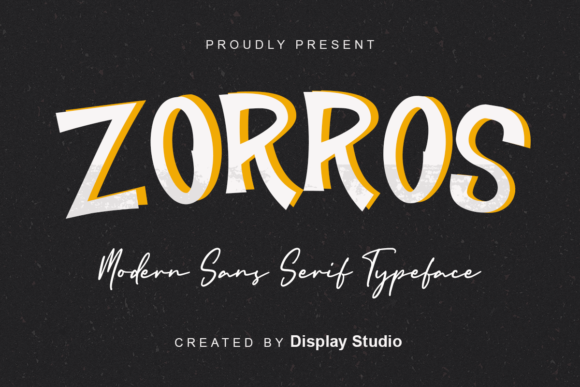
In the landscape of digital design and typography, selecting the right tool often dictates the efficiency of the entire creative process. Zorros is not merely a decorative typeface; it is a strategic asset for professionals who need to inject personality without sacrificing structure. As a charming and playful display font, it occupies a specific niche within the typographic ecosystem, bridging the gap between formal communication and creative expression. For marketers, educators, and small business owners, understanding where this font fits in your broader workflow is essential before applying it to any deliverable.
The core value of Zorros lies in its unique encoding architecture. It is PUA encoded, which stands for Private Use Area. This technical specification is critical for designers who require granular control over their assets. Unlike standard fonts that rely on fixed character mappings, PUA encoding allows you to access all glyphs and swashes with ease. This means you are not limited by the default keyboard layout or standard character sets. Instead, you can pull specific stylistic alternates, flourishes, and decorative elements directly into your design software, ensuring that every project maintains a high level of customization and consistency.
Strategic Placement in the Creative Process
Effective implementation begins with knowing when to introduce Zorros into your project lifecycle. It is rarely appropriate as the primary body text for long-form content due to its display nature. Instead, think of it as a visual anchor used during the planning and execution phases of branding, marketing campaigns, or educational materials. Before you begin a new project, assess the tone of your message. If the goal is to establish a friendly, approachable, yet professional atmosphere, Zorros serves as an excellent starting point for mood boards and style guides.
During the ideation phase, use Zorros to test different visual hierarchies. Because it is a display font, it commands attention. Placing it in headlines, headers, or key call-to-action areas can significantly alter the perceived energy of a page. For freelancers and agency owners, this early integration helps set client expectations regarding the brand's voice. When you present a mockup featuring Zorros, you are demonstrating a commitment to a specific aesthetic that balances playfulness with reliability. This clarity reduces revision cycles later in the process, as the visual direction is established immediately.
After the initial design is complete, Zorros plays a role in quality control and final adjustments. The ability to swap in different swashes allows for fine-tuning the rhythm of a headline. You might find that one version of a word feels too heavy, while another feels too light. With PUA encoding, these adjustments are seamless. You do not need to switch font families or search for external assets. You simply select the appropriate glyph from your font panel. This fluidity ensures that the final output remains consistent across all platforms, whether it is a printed brochure, a website banner, or a social media graphic.
Leveraging PUA Encoding for Efficiency
The technical advantage of PUA encoding cannot be overstated for productivity-minded users. In a typical workflow, finding the perfect swash or alternate character often involves searching through multiple font files or using third-party plugins. Zorros eliminates this friction. By accessing all glyphs and swashes with ease, you reduce the time spent on formatting and increase the time spent on strategy and creativity. This efficiency is vital for entrepreneurs and publishers who operate under tight deadlines.
When organizing your asset library, treat Zorros as a modular system rather than a static file. The PUA characters allow you to create custom ligatures and decorative combinations that are not possible with standard fonts. This modularity supports a more dynamic approach to design. For example, if you are creating a series of blog posts or email newsletters, you can maintain a consistent theme while varying the decorative elements to keep the content fresh. This variation prevents audience fatigue while maintaining brand recognition.
Compatibility is another factor to consider when integrating Zorros into your tools. Most modern design applications, such as Adobe Illustrator, InDesign, and Figma, support OpenType features and PUA characters effectively. However, it is crucial to verify that your web development environment handles these glyphs correctly if you plan to use them online. Embedding the font properly via CSS ensures that the special characters render as intended across different browsers and devices. This step is part of the preparation phase that separates amateur work from professional-grade output.
Collaboration and Cross-Platform Consistency
Design is rarely a solitary activity. Whether you are working with a team of developers, collaborating with copywriters, or outsourcing production to a print shop, consistency is paramount. Zorros facilitates this collaboration by providing a clear visual language. When you add it confidently to your projects, you provide a reference point for everyone involved. The specific swashes and glyphs become part of the shared vocabulary of the team.
For educators and bloggers, this consistency translates to better user experience. A well-integrated font improves readability and engagement. When students or readers encounter Zorros in headings, they immediately recognize the tone of the material. This psychological cue prepares them for the content that follows. Furthermore, because the font is PUA encoded, it avoids the common issue of missing characters or fallback fonts that disrupt the visual flow. This reliability ensures that the educational content remains accessible and professional.
In the context of small business ownership, Zorros can be a powerful tool for differentiation. Many businesses rely on generic sans-serif fonts that blend into the background. Using a font with distinct character, like Zorros, helps a brand stand out in a crowded marketplace. However, this differentiation must be managed carefully. Overuse can lead to visual clutter. The key is to use Zorros strategically to highlight important information while relying on neutral fonts for supporting text. This balance creates a hierarchy that guides the viewer's eye naturally through the content.
Practical Implementation Tips
To get the most out of Zorros, start by defining a usage protocol. Decide which sizes, weights, and contexts are appropriate for your specific needs. Create a style guide that documents how the font should be paired with other typefaces. Since Zorros is a display font, it pairs best with clean, understated sans-serifs or classic serifs that do not compete for attention. This pairing strategy ensures that the playful nature of Zorros enhances the design rather than overwhelming it.
- Preparation: Before starting a project, gather all necessary variations of Zorros. Check your font manager to ensure all swashes are visible and accessible.
- Testing: Test the font in various environments. Print samples to check ink density and legibility. View on mobile screens to ensure scalability.
- Optimization: Optimize your files for web use. Ensure that the PUA characters are mapped correctly in your CSS to prevent rendering issues.
- Review: Conduct a final review focusing on spacing and alignment. Playful fonts often have irregular shapes that require careful kerning adjustments.
By following these steps, you ensure that the transition from concept to final product is smooth. The goal is to make the font feel like a natural extension of your workflow, not a hurdle to overcome. When you understand the mechanics of PUA encoding and the aesthetic potential of Zorros, you can leverage these tools to produce work that is both visually striking and technically sound.
Long-Term Value and Adaptability
The true measure of a design tool is its longevity. Zorros is designed to be a versatile asset that grows with your projects. As your business evolves or your personal style shifts, the font remains relevant because of its adaptability. The wide range of glyphs allows for endless combinations, ensuring that your designs do not look dated after a few months. This long-term utility makes it a smart investment for professionals who value sustainability in their creative practices.
Furthermore, the playful yet structured nature of Zorros aligns well with current trends in digital communication. Audiences today respond positively to authentic, human-centric design. A font that feels hand-crafted and inviting can foster a deeper connection with your audience. Whether you are launching a new product, teaching a course, or sharing personal insights, adding Zorros confidently to your projects signals a willingness to engage and connect. The results are often reflected in higher engagement rates and stronger brand loyalty.
In conclusion, integrating Zorros into your workflow requires a thoughtful approach that balances technical understanding with creative intuition. By leveraging its PUA encoding capabilities, you gain a level of control that streamlines your production process. Whether you are a marketer crafting a campaign, an educator designing a syllabus, or a freelancer building a portfolio, this font offers the flexibility needed to execute diverse tasks efficiently. It is a tool that rewards those who take the time to learn its nuances, offering a return on investment through enhanced visual communication and streamlined workflows.