Humble Brother: The Authentic Display Font for Real Projects
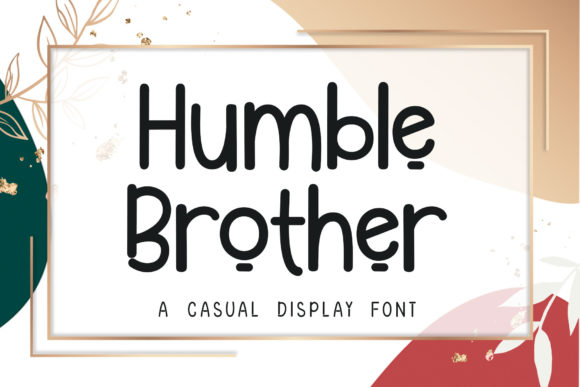
There is a specific kind of magic that happens when you find a display font that feels less like a digital file and more like a human hand. It is the difference between a polished, corporate presentation and a note passed to a friend in a coffee shop. Humble Brother captures exactly that feeling. It is a fun and casual display font perfect for many projects such as teaching materials, notes, quotations, posters, magazines, comics, and many more. Its authentic look will add a personal and realistic feel to your designs, turning any creative idea into beautiful art without trying too hard.
In a world saturated with perfectly kerned sans serif fonts and overly stylized script typefaces, finding something that strikes a balance between structure and spontaneity can be challenging. This creative font bridges that gap. It doesn't scream for attention; instead, it invites the reader in. Whether you are a brand strategist looking to soften a logo or a teacher creating engaging worksheets, Humble Brother offers a versatile solution that works across print and digital mediums alike.
The Personality Behind the Typeface
When we talk about typography, we often discuss technical metrics like x-height or counter space. However, the true power of a typeface lies in its personality. Humble Brother is not an arrogant designer's choice; it is approachable, warm, and slightly imperfect in the way that makes it endearing. As a serif font with a distinct handwritten quality, it retains the readability of traditional printing while introducing the warmth of a personal touch.
The visual characteristics of this premium font are defined by its organic strokes. Unlike rigid geometric fonts, the lines here breathe. There are subtle variations in stroke weight that mimic the pressure of a pen on paper. This "authentic look" is crucial for modern design trends where consumers crave authenticity over polish. When you use this typeface, you are signaling that your project values connection and realness. It transforms a standard headline into a conversation starter.
This font is particularly effective because it avoids the trap of being too messy. While it has a casual vibe, it maintains enough legibility to function as a primary text element in smaller sizes, provided you pair it correctly. It sits comfortably alongside clean sans serif fonts for body copy, creating a dynamic contrast that guides the eye naturally through your content.
Where Humble Brother Shines in Design
The versatility of Humble Brother is one of its strongest assets. Because it is neither strictly formal nor purely decorative, it fits into a wide array of industries and project types. Here is how designers and creators are putting this commercial font to work:
- Educational Materials: For teachers and educators, readability is paramount, but engagement is equally important. Using Humble Brother for lesson headers, certificates, or classroom posters creates a welcoming atmosphere that reduces anxiety for students. It feels like a friendly instructor speaking directly to them.
- Editorial and Publishing: Magazines and blogs often struggle with making their headlines stand out without looking cluttered. This handwritten font adds character to article titles, pull quotes, and captions. It breaks the monotony of standard grid layouts and gives the publication a unique voice.
- Branding and Logo Design: Small businesses and startups often want to convey approachability. A logo featuring Humble Brother suggests a company that is down-to-earth and customer-focused. It works exceptionally well for bakeries, craft stores, consulting firms, and lifestyle brands.
- Social Media Graphics: In the fast-paced feed of social media, static images need to stop the scroll. Text overlays using this modern typography style perform well because they look like user-generated content rather than corporate advertising. It builds trust instantly.
- Packaging Design: For artisanal products, packaging is the first physical interaction a customer has with the brand. Applying this font to labels or tags adds a layer of craftsmanship and care that mass-produced goods lack.
Whether you are designing a comic book cover or a wedding invitation, the ability of Humble Brother to adapt to the context is remarkable. It does not force a theme upon your project; rather, it enhances the existing narrative.
Strategic Application and Readability
While the aesthetic appeal is undeniable, a successful design relies on functionality. When integrating Humble Brother into a larger design system, you must consider how it influences visual hierarchy and brand perception. The goal is to use the font to guide the audience, not distract them.
To maximize impact, treat Humble Brother as a display element. Use it for headlines, subheads, and key callouts. Pairing it with a neutral, highly legible sans serif font for body text is the industry-standard approach. This combination ensures that while the headline grabs attention with its personality, the detailed information remains easy to scan. This balance is critical for maintaining professionalism in web design and editorial design.
Consider the emotional resonance of the font. If your brand identity relies on precision and cold efficiency, this might not be the right choice. However, if your strategy focuses on community, storytelling, or creativity, Humble Brother aligns perfectly. It fosters a sense of recognition because it stands out from the sea of generic Arial or Helvetica used everywhere else.
Practical Tips for Implementation
Before adding this font to your toolkit, there are a few practical steps to ensure it serves your project effectively:
- Evaluate Project Fit: Ask yourself if the "casual" nature of the font matches the tone of your message. It is excellent for creative ideas but should be used carefully for legal disclaimers or serious financial reports.
- Test Font Pairings: Don't just guess. Create mockups with different combinations. Try pairing it with a geometric sans serif for a modern look or a classic serif for a vintage feel. The right pairing elevates both fonts.
- Review Included Styles: Check the full range of weights and styles available in the download. Does it include italics or small caps? These features can add necessary nuance to your design without needing to switch families.
- Check Commercial Licensing: Ensure you understand the terms of use. Most high-quality design assets come with specific licenses for commercial projects, which is essential for entrepreneurs and marketers protecting their brand.
- Focus on Spacing: Handwritten-style fonts often require adjusted letter spacing (kerning) to look their best. Tighten the tracking slightly for headlines to make them feel cohesive, or loosen it for a more airy, artistic effect.
Ultimately, Humble Brother is more than just a collection of characters; it is a tool for expression. By adding it to your workflow, you gain the ability to infuse your work with a sense of humanity that resonates deeply with audiences. It turns standard communication into an experience, proving that good design is not just about looking good, but about feeling right.