Hopper: Bold Typography for Impactful Design
In a digital landscape saturated with clean, minimalist sans-serifs and delicate script fonts, standing out requires more than just good content; it requires visual authority. This is where Hopper enters the conversation. It is not merely a typeface; it is a statement. Described as cool and bold, Hopper brings a distinct personality to any project that demands attention without sacrificing readability. For designers, marketers, and creators looking to elevate their visual identity, this font serves as an incredible asset in the library.
The appeal of Hopper lies in its ability to bridge the gap between modern functionality and retro-inspired character. It possesses a weight and presence that commands the eye, yet maintains a structural integrity that keeps text legible across various mediums. Whether you are crafting a brand identity for a new startup, designing a poster for a local event, or formatting a blog header, Hopper provides the visual punch needed to cut through the noise. Its versatility allows it to adapt to different tones, from professional and authoritative to playful and edgy, making it a robust tool for diverse creative applications.
Understanding the Visual Language of Hopper
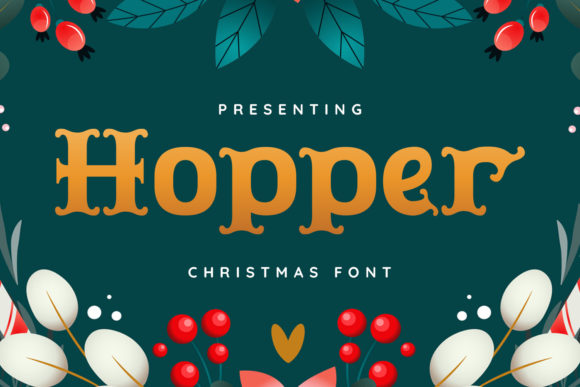
To truly leverage Hopper, one must first understand what makes it tick. The font’s "cool" factor stems from its geometric precision combined with subtle quirks that prevent it from feeling sterile. Unlike many generic display fonts that feel cold or mechanical, Hopper has warmth. Its bold strokes are confident, suggesting stability and strength, while the spacing and kerning are calibrated to ensure that even large headlines remain easy to scan.
This balance is crucial for effective communication. A font that is too stylized can hinder readability, causing users to disengage. Conversely, a font that is too plain may fail to capture interest. Hopper hits the sweet spot. It is designed to be seen, but also understood. This dual capability makes it particularly useful for headings, titles, and key messages where immediate impact is necessary. By using Hopper for primary text elements, you guide the viewer’s eye naturally through your content hierarchy.
The Psychology of Bold Display Fonts
Bold typography communicates confidence. When potential customers or readers encounter a headline set in a strong, decisive typeface like Hopper, they subconsciously associate those qualities with the brand or message itself. This psychological association is powerful in marketing and branding. It suggests that the business behind the design is established, reliable, and clear about its value proposition.
However, boldness does not mean overwhelming. The secret to using Hopper effectively is restraint. Because the font is so visually dominant, it works best when given room to breathe. Pairing it with ample white space ensures that the boldness reads as intentional design rather than clutter. This approach respects the user’s cognitive load, allowing them to process the information quickly and move on to the next element of the experience.
Creative Applications Across Industries
One of the greatest strengths of Hopper is its adaptability. While it shines in traditional graphic design contexts, its utility extends far beyond posters and brochures. Let’s explore how different professionals can integrate this font into their workflows to achieve specific goals.
- Branding and Logo Design: For small business owners and entrepreneurs, a memorable logo is essential. Hopper’s bold forms make it an excellent choice for wordmarks, especially in industries like fitness, construction, technology, or food and beverage. The font’s solidity conveys trust and durability, which are key attributes for building brand loyalty.
- Digital Marketing and Social Media: In the fast-scrolling world of social media, visuals must grab attention instantly. Using Hopper for Instagram story overlays, YouTube thumbnails, or Facebook ad headers can significantly increase click-through rates. The high contrast and bold nature of the font ensure that text remains readable even on small mobile screens.
- Editorial and Blogging: Bloggers and publishers often struggle with creating visual breaks in long-form content. Incorporating Hopper for pull quotes, section headers, or featured article titles can add a layer of professionalism and style. It helps structure the content, making it more scannable for readers who skim before diving deep.
- Event Promotion: For educators, hobbyists, or community organizers hosting workshops, webinars, or live events, Hopper adds excitement. Posters and flyers designed with this font feel dynamic and urgent, encouraging immediate action from the audience.
Practical Tips for Implementation
Having access to a great font is only half the battle; knowing how to use it correctly is what separates amateur designs from professional ones. Here are some practical guidelines to help you get the most out of Hopper in your projects.
Pairing for Balance
Because Hopper is a display font with strong characteristics, it needs a supportive partner for body text. Avoid pairing it with another bold or highly decorative font, as this will create visual chaos. Instead, opt for a neutral, highly readable sans-serif or serif for paragraphs and smaller text. A simple geometric sans-serif can complement Hopper’s modern edge, while a classic serif can provide a sophisticated contrast. The goal is to let Hopper lead the visual hierarchy while the secondary font handles the detailed information.
Color and Contrast
The impact of Hopper is heavily influenced by color choices. High-contrast combinations, such as black text on a white background or white text on a dark background, maximize the font’s boldness. However, don’t be afraid to experiment with color to match your brand palette. Since the font is already visually heavy, you can afford to use slightly muted or pastel colors for the text without losing legibility. Just ensure there is sufficient contrast against the background to maintain accessibility standards.
Contextual Consistency
Consistency builds recognition. If you choose Hopper for your brand’s headlines, use it consistently across all touchpoints—website, email newsletters, social media graphics, and print materials. This repetition reinforces the brand identity. However, vary the scale. Use Hopper for main titles, perhaps in a larger size, and a lighter weight (if available) or a different font for subtitles. This variation creates depth and prevents the design from feeling monotonous.
Elevating Your Creative Library
Ultimately, adding Hopper to your font library is an investment in quality and versatility. It is a tool that empowers creators to communicate with clarity and style. Whether you are a seasoned designer refining a client’s brand or a freelancer putting together a quick portfolio piece, Hopper offers a reliable solution for bold, engaging typography.
As you experiment with this font, remember that creativity is iterative. Try setting short phrases in all caps for maximum impact, or use sentence case for a slightly softer tone. Explore different tracking and leading values to see how spacing affects the overall mood. The potential of Hopper is limited only by your imagination, but guided by these principles of balance, contrast, and consistency, you can ensure that every creation you produce is not just visible, but unforgettable.
In a world where attention is the scarcest resource, having a typeface that cuts through the clutter is invaluable. Hopper delivers exactly that. It is cool, it is bold, and it is ready to elevate your next project. Start integrating it into your workflow today and watch your designs transform from ordinary to extraordinary.